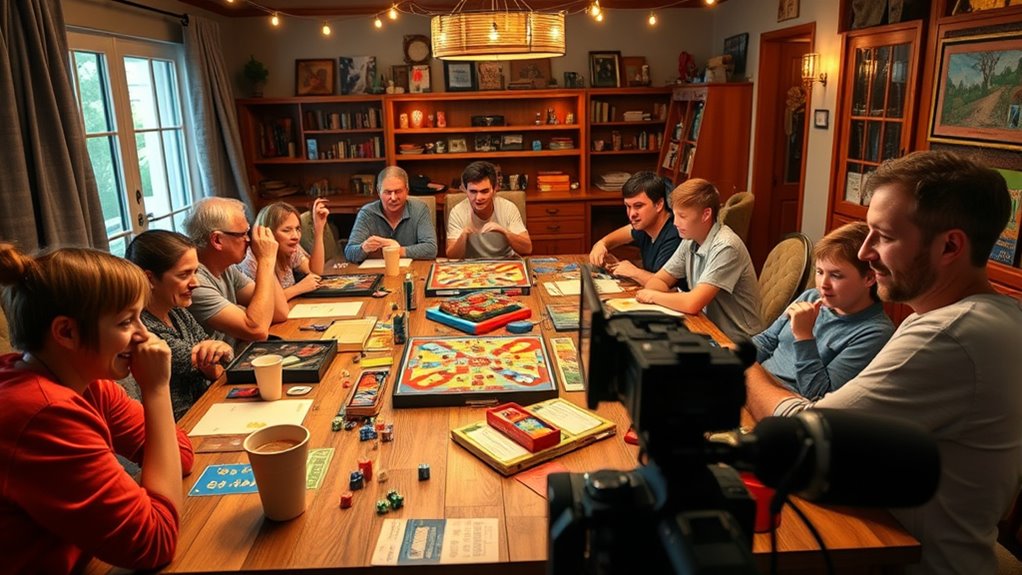

To host a table game tournament at home, start by setting clear ranking strategies like point systems or brackets that are easy to follow. Organize fun prizes that motivate everyone and prepare simple rules to keep things fair. Use a prominent leaderboard to show standings and communicate tie-breaker procedures upfront. Keep the atmosphere lively and inclusive to boost excitement. If you keep these tips in mind, you’ll discover how to make your tournament unforgettable.
Key Takeaways
- Plan the tournament format, including game choices, rules, and a clear schedule for multiple rounds.
- Create a transparent ranking system using points or brackets to track standings throughout the event.
- Prepare prizes and incentives to motivate participants and add excitement to the competition.
- Display a leaderboard and communicate tie-breaker procedures to ensure fairness and clarity.
- Organize the environment to be inclusive, lively, and well-structured for a memorable and enjoyable experience.
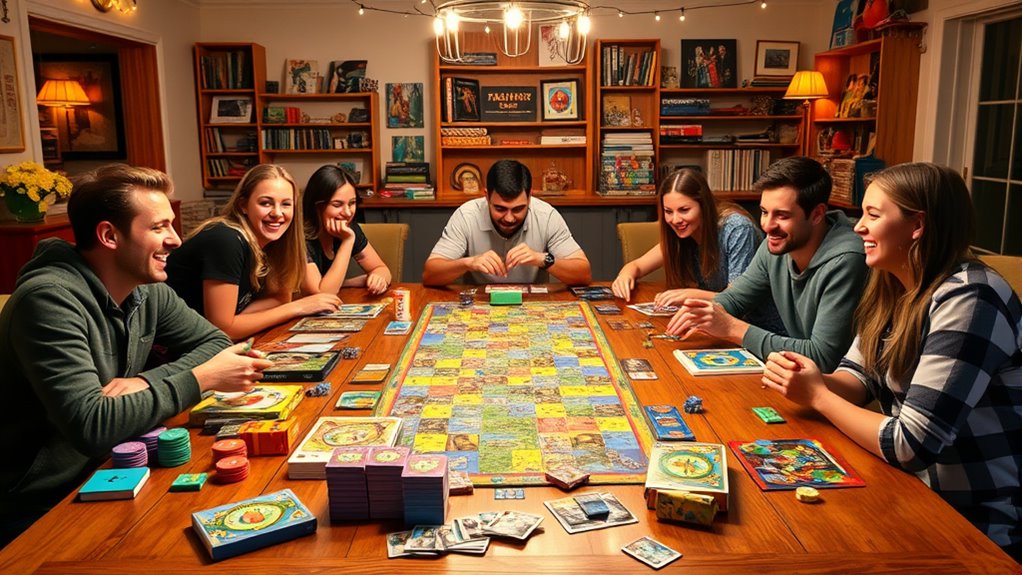
Hosting a table game tournament is a fantastic way to bring friends together for fun and friendly competition. To make sure your event runs smoothly and keeps everyone engaged, you’ll want to think carefully about how you want to rank players and what prize ideas will motivate participation. Effective ranking strategies are essential because they create a sense of fairness and excitement. Whether you opt for a simple point system or a more complex bracket, make sure it’s transparent and easy to follow. You might assign points based on wins, losses, or specific achievements within the game. For example, in a tournament with multiple rounds, players can accumulate points and be ranked accordingly. This way, each participant stays motivated to perform well, knowing the standings are clear and fair.
Hosting a table game tournament keeps everyone engaged with fair, transparent rankings and fun prizes.
When planning your ranking strategies, consider how you’ll handle ties or close scores. Implement tie-breaker rules like extra rounds or bonus points to keep the tournament moving smoothly and prevent disagreements. Clear communication is key—make sure everyone understands how their performance impacts their ranking. This transparency encourages friendly competition without confusion or frustration. You could also incorporate a leaderboard displayed prominently during the event, which adds a visual element of progress and excitement. The leaderboard keeps everyone aware of their standing at all times, adding a layer of motivation. Additionally, understanding the importance of juice cleansing and detox benefits can inspire creative ways to energize participants during breaks.
Prize ideas are another vital element to boost engagement and make the tournament memorable. Think about prizes that appeal to your group’s interests—small trophies, gift cards, or themed game accessories work well. You might also consider fun, personalized prizes, like custom game pieces or funny medals, to keep the mood light and enjoyable. Remember, the goal is to reward participation and effort, not just victory. Offering a range of prizes for different achievements—such as best sportsmanship, most improved, or highest score—can make the event more inclusive and fun for everyone. If you’re on a budget, creative DIY awards or certificates can add a special touch without breaking the bank.
Ultimately, a successful table game tournament hinges on your preparation and the atmosphere you create. Use your ranking strategies to keep the competition organized, and choose prize ideas that excite and motivate your friends. When everyone feels engaged and fairly treated, your event turns into a memorable gathering filled with laughs, friendly rivalry, and shared fun. Keep the rules simple, communicate clearly, and focus on creating a lively, inclusive environment. This way, your home tournament becomes a highlight everyone looks forward to repeating.

Hooomyai Mini Tabletop Prize Drop Board Game 25"x14" Plinko Board Foldable Stand with Customizable 8 Playing Pucks for Carnival Tradeshow Party
𝐄𝐲𝐞-𝐂𝐚𝐭𝐜𝐡𝐢𝐧𝐠 & 𝐄𝐧𝐭𝐞𝐫𝐭𝐚𝐢𝐧𝐢𝐧𝐠 – The Hooomyai Prize Drop Game Board boasts a compact size of 14 3/8" x…
As an affiliate, we earn on qualifying purchases.
As an affiliate, we earn on qualifying purchases.
Frequently Asked Questions
How Many Players Are Ideal for a Home Table Game Tournament?
The ideal number of players for a home table game tournament is usually 8 to 16, ensuring smooth player rotation and engaging gameplay. With this range, you can organize comfortable seating arrangements and keep the game lively without overcrowding. Smaller groups might limit competition, while larger groups require more coordination. Adjust based on your space and game type to maintain a fun, balanced atmosphere for everyone involved.
What Are Some Budget-Friendly Prizes for Tournament Winners?
You can keep your prize ideas budget-friendly by offering fun, inexpensive awards. Consider gift cards to local cafes, custom trophies made from craft supplies, or themed medals from online stores. You could also give out fun, personalized certificates or small game accessories as budget awards. These options keep the spirit of competition lively without breaking the bank, making your tournament memorable and affordable for everyone involved.
How Can I Accommodate Different Skill Levels Among Players?
You can accommodate different skill levels by using player grouping and skill balancing. Divide players into groups based on their experience, ensuring beginners aren’t overwhelmed and pros stay challenged. Mix skill levels within groups for balanced competition or rotate players between groups to promote learning. This approach keeps the game fun and engaging, encouraging friendly rivalry while making sure everyone feels comfortable and has a chance to succeed.
What Safety Precautions Should I Consider for In-Person Gaming?
You should implement sanitization protocols by regularly disinfecting game pieces, tables, and high-touch surfaces. Maintain social distancing measures by arranging seating to keep players at least six feet apart and limiting the number of participants if needed. Encourage handwashing or provide hand sanitizer stations. Remind players to avoid sharing cards or tokens, and consider wearing masks if your space feels crowded. These precautions help keep everyone safe and healthy during your gaming event.
How Do I Manage Time to Finish All Games in One Day?
To manage time and finish all games in one day, use effective time management strategies like setting strict time limits for each game and sticking to a detailed schedule. Incorporate scheduling tips such as starting with shorter games first and allocating breaks to keep players refreshed. Keep a visible timetable to stay on track, and be flexible if some games finish early, allowing you to adjust the remaining schedule accordingly.
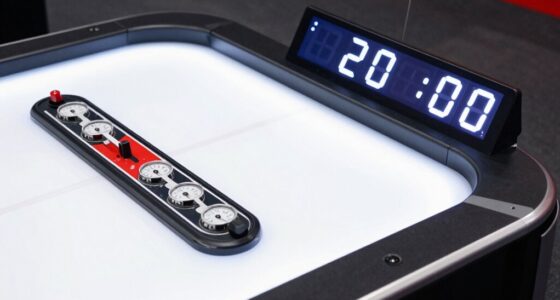
leaderboard display for game events
As an affiliate, we earn on qualifying purchases.
As an affiliate, we earn on qualifying purchases.
Conclusion
By hosting your own table game tournament, you turn an ordinary night into an epic showdown of skill and strategy. Remember, the true prize isn’t just winning—it’s the memories you create and the laughter you share. So, gather your friends, set the boards, and let the games begin. After all, isn’t life just a game meant to be played with passion and joy? Get ready to make every moment count—your tournament awaits!

Cornhole Score Sheets and Tournament Brackets: Everything Needed To Complete Your Cornhole Game Set
As an affiliate, we earn on qualifying purchases.
As an affiliate, we earn on qualifying purchases.

True Drinking Dice – Adult Party Games Drinking – Fun Drinking Games for Parties – Includes 2 Dice with Instructions – 2+ Players Dice Drinking Game
DRINKING DICE GAMES ADULTS – Add a fun twist to a party with this dice drinking game. With…
As an affiliate, we earn on qualifying purchases.
As an affiliate, we earn on qualifying purchases.