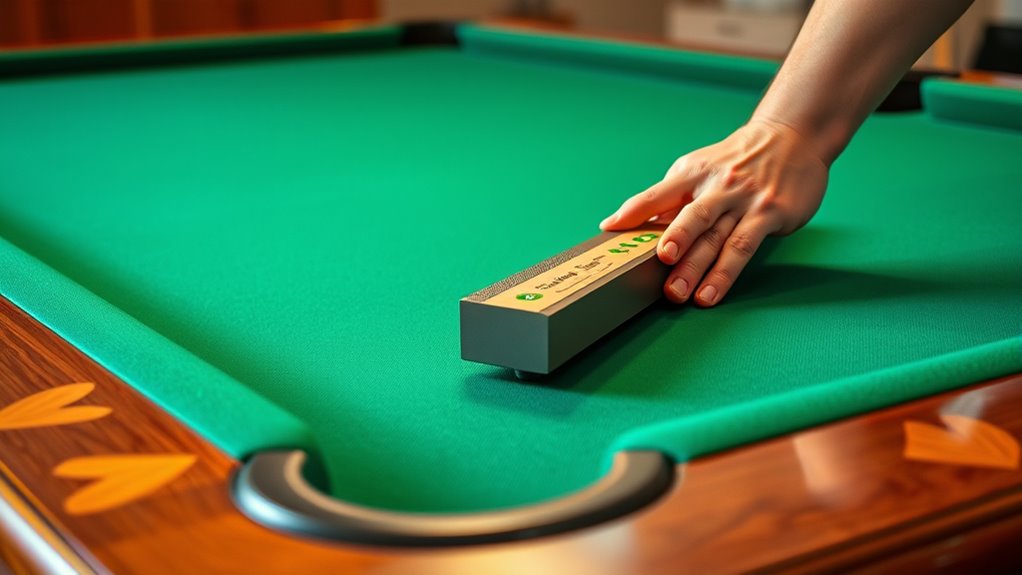

To keep your pool table in top shape, regularly clean and inspect the cloth for tears or wear, and brush it gently to remove dust. Check the rails and cushions for proper bounce and tight installation, replacing or repairing them if needed. Make certain the table is level by testing every corner and adjusting the feet accordingly. Proper maintenance like this helps ensure smooth gameplay and extends the life of your table—there’s more to learn for best results.
Key Takeaways
- Regularly clean and vacuum the cloth to prevent dust buildup and maintain smooth ball roll.
- Inspect and tighten rails and cushions to ensure proper alignment and consistent rebounds.
- Use a level to check and adjust the table’s surface, ensuring the slate is properly leveled.
- Check for and repair any cracks or warping in the slate to preserve accurate play.
- Replace worn cushions and cloth as needed to maintain optimal bounce and playing conditions.
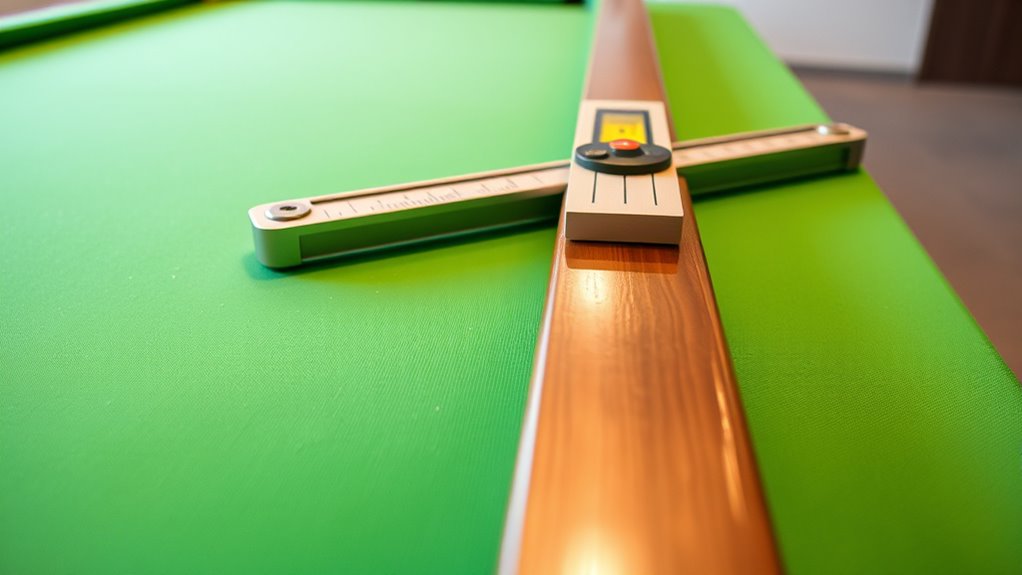
Maintaining your pool table guarantees it stays in top condition for years of play. One of the most important aspects of upkeep is ensuring the cushions are in good shape. Over time, cushions can become worn, lose their bounce, or develop tears, which can greatly affect gameplay. When you notice the ball isn’t rebounding properly or the cushions feel flat, it’s time for cushion replacement. Replacing cushions is straightforward but essential; it restores the proper bounce and guarantees your shots are consistent. Before installing new cushions, it’s wise to check the slate underneath. Slate inspection is critical because any cracks or warping in the slate can compromise the entire table’s levelness and playability. If you discover damage during inspection, addressing it early prevents more costly repairs later. When replacing cushions, make sure to buy the correct size and type for your table. Proper installation involves attaching the new cushions securely and ensuring they align perfectly with the felt surface. A loose or misaligned cushion can lead to unpredictable ball rebounds and disrupt your game. After replacing the cushions, always test the table by taking a few shots to verify the bounce and make adjustments if necessary. Additionally, selecting natural materials like slate and wood for repairs helps maintain the table’s authenticity and durability.
Another key maintenance step involves inspecting the slate. The slate is the foundation of your table, providing a flat, level surface essential for accurate play. Regular slate inspection involves checking for cracks, chips, or warping, especially if your table has been moved or subjected to temperature fluctuations. Damaged slate can cause uneven ball rolls and affect shot precision. If you find cracks or noticeable warping, it’s best to consult a professional for repairs or replacement. Keep in mind that a level table is essential for fair play; even minor tilts can ruin your game. Use a level to check the slate periodically, especially after transport or if you notice inconsistent ball behavior. If the slate isn’t level, adjustments may be needed, which often involve shimming or re-leveling the entire table. Proper slate inspection combined with cushion replacement when necessary ensures your pool table remains in excellent condition, providing smooth, predictable play every time you step up to the table. Regular maintenance not only prolongs the lifespan of your table but also enhances your overall playing experience, keeping the game fair and enjoyable.
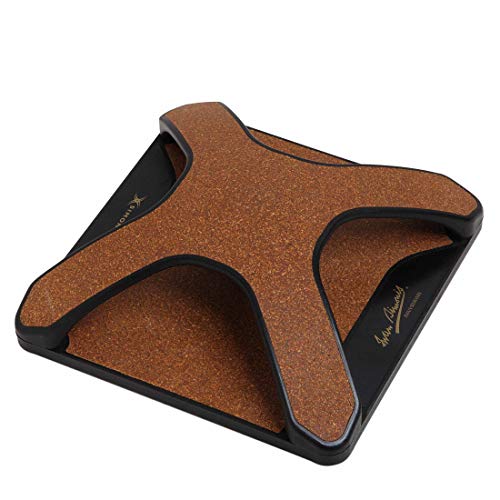
Simonis X-1 Pool Table Cloth Cleaning Tool. (Multi)
- Patented Innovative Design: Two U.S. Patents for unique design
- Curved Shape for Easy Access: Reaches under cushions safely
- Effective Chalk Dust Removal: Extracts and holds chalk dust efficiently
As an affiliate, we earn on qualifying purchases.
As an affiliate, we earn on qualifying purchases.
Frequently Asked Questions
How Often Should I Replace My Pool Table Cloth?
You should replace your pool table cloth every 5 to 10 years, depending on usage and wear. Regular pool table maintenance includes inspecting the cloth for tears, matting, or excessive dirt, which signals it’s time for a replacement. Keeping the cloth clean and smooth prolongs its lifespan. If you notice inconsistent ball roll or significant wear, it’s a good idea to update the cloth to maintain ideal playing conditions.
What Signs Indicate My Pool Table Needs Professional Leveling?
Your pool table’s like a ship sailing uneven waters, so look for signs that it needs professional table leveling. If your cushions feel uneven or if the ball consistently drifts to one side, these are clues. Additionally, if the felt isn’t smooth or the pockets seem off, it’s time to call in an expert. Addressing uneven cushions and proper table leveling guarantees smooth gameplay and prolongs your table’s life.
Can I Use Household Products to Clean the Pool Cloth?
You shouldn’t use household chemicals for DIY cleaning of your pool cloth, as they can damage the fabric. Instead, use a soft brush or a slightly damp cloth to gently clean the surface. Regularly vacuum the cloth with a brush attachment, and avoid harsh cleaners or chemicals. This helps maintain the cloth’s quality without risking discoloration or deterioration, ensuring your game stays smooth and enjoyable.
How Do I Prevent Rust on the Metal Rails?
Prevent rust on your metal rails by regularly wiping them with a soft, dry cloth to diminish dust and moisture. Apply a thin layer of rust-resistant lubricant or protective coating to keep moisture out. Practice proper metal rail maintenance by inspecting for early signs of corrosion and addressing them promptly. These rust prevention techniques guarantee your pool table remains pristine and protected, prolonging the life of your metal rails.
What’s the Best Way to Store a Pool Table During Off-Season?
During the off-season, you should cover your pool table with protection to shield it from dust and debris. Keep it in a climate-controlled environment to prevent warping or damage caused by humidity or temperature fluctuations. Make sure the cover fits well and is breathable to avoid moisture buildup. Regularly check on the table, ensuring the cover stays secure, and maintain consistent climate control for long-term preservation.
Conclusion
Keeping your pool table in top shape isn’t just about the cloth or rails; it’s about preserving your game’s integrity. A well-maintained table offers smooth shots and endless fun, unlike one neglected, which becomes a frustrating obstacle. Think of your table as a trusted partner—tender yet firm, delicate yet durable. With consistent care, you’ll enjoy flawless play and lasting durability, proving that sometimes, the smallest details make the biggest difference in your game.