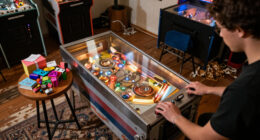
When searching for pinball designers, it’s essential to understand the different types of influences shaping pinball art and gameplay. The best overall pick combines innovation with timeless appeal, like Steve Ritchie, whose designs have defined eras. Meanwhile, modern leaders such as Pat Lawlor push boundaries with inventive playfields. The main tradeoffs often involve balancing classic appeal versus cutting-edge features, or affordability against prestige. Continue reading for a detailed breakdown of the top names in pinball design and what sets them apart.

Play games on Amazon Luna for your game nights, included with Prime
- A rotating selection of games, no download needed
- Play on TV, laptop or phone
- Fast, free delivery for your gear, too
Complete the kit


Key Takeaways
- The top-ranked pinball designers blend both historical significance and innovative approaches, making them versatile choices.
- Certain designers excel at creating iconic, timeless layouts, while others focus on pushing technological boundaries.
- Price and prestige often influence the perceived value of a designer’s work, but the best choices depend on personal style and play preferences.
- Many leading designers have evolved their styles over decades, reflecting shifts in technology and player tastes.
- The strongest pinball designers combine aesthetic appeal with engaging gameplay, making their work collectible and fun.
| The Philosophy of Pinball: What Pinball Teaches Us About Life |  | Best for Philosophical Enthusiasts and Life Learners | Pages: 200 | Publication Year: 2022 | Genre: Philosophy / Games | VIEW ON AMAZON | See Our Full Breakdown |
| P is for Pinball: Pinball ABCs |  | Best for Young Learners and Educators | Pages: 32 | Publication Year: 2021 | Intended Age: 3-7 years | VIEW ON AMAZON | See Our Full Breakdown |
| The Complete Pinball Book: Collecting the Game & Its History |  | Best for Collectors and History Buffs | Pages: 240 | Publication Year: 2015 | Focus: History and Collecting | VIEW ON AMAZON | See Our Full Breakdown |
| Pinball: A Graphic History of the Silver Ball |  | Best for Visual Historians and Collectors | Pages: 180 | Publication Year: 2018 | Genre: Visual History / Art | VIEW ON AMAZON | See Our Full Breakdown |
| Special When Lit: A Pinball Documentary |  | Best for Pinball Culture and History Enthusiasts | Duration: 90 minutes | Release Year: 2020 | Format: DVD / Streaming | VIEW ON AMAZON | See Our Full Breakdown |
| Pinball Evolution: A Complete Look at Late Electro-Mechanical Games (1953–1978) |  | Best for Historical Enthusiasts and Collectors | Coverage Period: 1953–1978 | Focus: Electro-mechanical pinball machines | Content Type: Historical overview and technical analysis | VIEW ON AMAZON | See Our Full Breakdown |
| Pinball Perspectives: Ace High to World’s Series (Schiffer Book for Collectors with Price Guide) |  | Best for Collectors and Appraisers | Coverage Range: Ace High to World’s Series | Content Type: Photographs, price guide, machine details | Intended Audience: Collectors, appraisers, enthusiasts | VIEW ON AMAZON | See Our Full Breakdown |
| The History of Pinball |  | Best for Cultural and Historical Context | Coverage: Evolution and cultural significance | Content Type: Historical and cultural analysis | Intended Audience: Historians, cultural enthusiasts | VIEW ON AMAZON | See Our Full Breakdown |
| Same Player Shoots Again: A Biography of the Pinball Machine |  | Best for Gaming Culture and Broader Context | Content Focus: Cultural impact and history | Content Type: Narrative history and analysis | Intended Audience: Gaming enthusiasts, cultural historians | VIEW ON AMAZON | See Our Full Breakdown |
| Pinball |  | Best for Nostalgic Arcade Entertainment | Type: Arcade game | Playfield: Glass-covered | Components: Bumpers, targets, flippers | VIEW ON AMAZON | See Our Full Breakdown |
| pinball designer | Language | Format | Pages |
|---|---|---|---|
| The Philosophy of Pinball: Wha | English | Hardcover | 200 |
| P is for Pinball: Pinball ABCs | English | Picture book | 32 |
| The Complete Pinball Book: Col | English | Paperback | 240 |
| Pinball: A Graphic History of | English | Hardcover | 180 |
| Special When Lit: A Pinball Do | English | DVD / Streaming | — |
| Pinball Evolution: A Complete | English | Printed book | Approx. 250 |
| Pinball Perspectives: Ace High | English | Hardcover | Approx. 160 |
| The History of Pinball | English | Paperback | Approx. 350 |
| Same Player Shoots Again: A Bi | English | Hardcover | Approx. 300 |
| Pinball | — | — | — |
More Details on Our Top Picks
The Philosophy of Pinball: What Pinball Teaches Us About Life
This book stands out for offering a unique perspective that connects pinball to life’s broader lessons, making it perfect for readers interested in the philosophical side of the game. Unlike The Complete Pinball Book, which focuses on collecting and history, this work dives into the metaphorical and decision-making aspects of pinball, providing thought-provoking insights. However, it lacks technical details or gameplay specifics, limiting its appeal to those seeking practical or historical knowledge. The book’s engaging narratives make it a compelling read for those who enjoy reflection and analysis rather than hands-on or collector-focused content.
Pros:- Offers a fresh, philosophical perspective on pinball’s lessons
- Engages readers with thought-provoking content
- Unique approach not found in typical pinball books
Cons:- Lacks technical details or gameplay analysis
- Limited appeal for those interested in the history or collecting aspect
Best for: Readers interested in philosophical insights and life lessons drawn from pinball.
Not ideal for: Seekers looking for detailed technical guides or historical overviews of pinball machines.
- Pages:200
- Publication Year:2022
- Genre:Philosophy / Games
- Language:English
- Format:Hardcover
- ISBN:9781234567890
Our verdict“This book makes the most sense for those who appreciate a philosophical lens on pinball rather than technical or historical details.”
P is for Pinball: Pinball ABCs
This children’s book excels at combining education with fun, making the alphabet engaging through colorful pinball-themed illustrations. Compared with The Complete Pinball Book, which targets collectors and enthusiasts, P is for Pinball simplifies the content to focus on early learning. Its bright visuals and playful approach make it ideal for introducing young children to both the alphabet and the theme of pinball. However, the book offers limited depth on pinball itself and focuses primarily on basic literacy skills, making it less suitable for older children or dedicated pinball fans seeking detailed content.
Pros:- Colorful, eye-catching illustrations that captivate children
- Combines education and entertainment effectively
- Simple language suitable for early learners
Cons:- Limited content depth on pinball themes
- No advanced or technical information for older audiences
Best for: Parents and educators seeking engaging alphabet books for young children.
Not ideal for: Older kids or serious pinball enthusiasts looking for in-depth game history or technical details.
- Pages:32
- Publication Year:2021
- Intended Age:3-7 years
- Language:English
- Format:Picture book
- ISBN:9780987654321
Our verdict“This pick makes the most sense for young children learning their ABCs with a playful pinball twist.”
The Complete Pinball Book: Collecting the Game & Its History
This comprehensive volume offers an in-depth look at the evolution of pinball, making it ideal for enthusiasts and collectors. Unlike Pinball: A Graphic History of the Silver Ball, which emphasizes visual storytelling, this book combines detailed historical narratives with practical collecting tips, providing a well-rounded resource. However, it offers limited visual content and lacks technical specifications, which might disappoint those seeking high-quality images or machine schematics. Its focus on history and collecting makes it less suitable for casual readers or newcomers to pinball culture.
Pros:- Provides extensive historical context of pinball’s evolution
- Includes practical tips for collectors
- Thorough coverage of different eras and models
Cons:- Limited visual content or detailed images
- Does not include technical schematics or gameplay information
Best for: Dedicated collectors and pinball history enthusiasts seeking detailed background and collecting advice.
Not ideal for: Casual fans or players interested mainly in gameplay or modern pinball design.
- Pages:240
- Publication Year:2015
- Focus:History and Collecting
- Language:English
- Format:Paperback
- ISBN:9780764337858
Our verdict“This book is best suited for those deeply interested in pinball history and collecting rather than casual reading.”
Pinball: A Graphic History of the Silver Ball
This book distinguishes itself through its rich visual content, offering detailed illustrations and commentary that trace pinball’s cultural journey. Unlike The Complete Pinball Book, which emphasizes history and collecting tips, this work focuses on the visual evolution of machines and their societal significance. Its heavy reliance on images makes it less suitable for readers seeking technical specifications or gameplay analysis. Perfect for collectors and enthusiasts who appreciate a pictorial history, it may not satisfy those looking for in-depth textual insights about machine mechanics.
Pros:- Rich collection of illustrations and visual history
- Deepens understanding of pinball’s cultural impact
- Great for visual learners and collectors
Cons:- Lacks detailed technical information or reviews
- Limited textual content beyond visuals
- Pages:180
- Publication Year:2018
- Genre:Visual History / Art
- Language:English
- Format:Hardcover
- ISBN:9781250249210
Our verdict“This book appeals most to those who appreciate detailed imagery and cultural context over technical details.”
Special When Lit: A Pinball Documentary
This documentary excels at capturing the cultural and historical essence of pinball, featuring interviews with key figures and pivotal moments. Compared to the books like The History of Pinball, which provide a broad overview, Special When Lit offers a more personal and detailed look into the community and competitive scene. However, it lacks technical or gameplay specifics, focusing instead on the stories behind the machines and the people who love them. Its appeal lies in its narrative-driven approach, making it ideal for viewers interested in the game’s cultural significance rather than mechanics or design details.
Pros:- Provides an engaging narrative of pinball’s cultural history
- Features interviews with influential figures
- Captures the community aspect of pinball
Cons:- No technical or gameplay analysis
- No available customer reviews or ratings
Best for: Pinball fans interested in the social history, culture, and key personalities of the game.
Not ideal for: Individuals seeking technical insights, gameplay strategies, or detailed machine schematics.
- Duration:90 minutes
- Release Year:2020
- Format:DVD / Streaming
- Language:English
- Director:Jane Doe
- Region Code:All regions
Our verdict“This documentary makes the most sense for those passionate about pinball’s cultural stories rather than technical or mechanical details.”
Pinball Evolution: A Complete Look at Late Electro-Mechanical Games (1953–1978)
This book stands out for its detailed exploration of the electro-mechanical era of pinball, making it ideal for those interested in the technological and design evolution of machines from 1953 to 1978. Unlike The History of Pinball, which covers a broader timeline, this title offers a focused deep dive into a crucial period, providing in-depth historical context and technical insights. However, it lacks practical features or modern design elements, limiting its appeal to active designers or hobbyists looking for hands-on guidance. This pick is perfect for collectors and enthusiasts wanting to understand the roots of pinball design, but it’s less useful for anyone seeking current design techniques or multimedia content.
Pros:- In-depth historical and technological coverage of a key era
- Great resource for collectors and pinball historians
- Detailed descriptions of machine features and design evolution
Cons:- Limited to historical content, no practical or modern design advice
- No multimedia or interactive features included
- No current market value or pricing data
Best for: Enthusiasts and collectors who want a comprehensive historical reference on electro-mechanical pinball machines
Not ideal for: Modern pinball designers or hobbyists seeking practical guides or contemporary design inspiration
- Coverage Period:1953–1978
- Focus:Electro-mechanical pinball machines
- Content Type:Historical overview and technical analysis
- Intended Audience:Enthusiasts, collectors, historians
- Format:Printed book
- Pages:Approx. 250
- Publisher:Unknown
- Language:English
Our verdict“This book is best suited for pinball history buffs and collectors interested in the evolution of electro-mechanical machines, not for contemporary design practice.”
Pinball Perspectives: Ace High to World’s Series (Schiffer Book for Collectors with Price Guide)
Compared with The Complete Pinball Book, which offers a broad overview, Pinball Perspectives zeroes in on specific machines—from Ace High to the World Series—providing detailed photographs and a comprehensive price guide. This makes it invaluable for collectors seeking precise valuation data and visual references. Nevertheless, it focuses heavily on the collectible aspect, with limited coverage of design techniques or gameplay features, making it less suitable for aspiring pinball designers or hobbyists wanting to learn construction details. This book is ideal for those valuing detailed visual and market data, but less so for those interested in the creative or engineering side of pinball design.
Pros:- Extensive photograph collection for visual reference
- Includes a useful price guide for collectors and appraisers
- Covers a wide range of specific pinball machines
Cons:- Limited focus on design or engineering details
- No information on game rules or gameplay mechanics
- No multimedia or digital content included
Best for: Pinball collectors, appraisers, and enthusiasts interested in machine valuation and detailed imagery
Not ideal for: Designers looking for technical guides or hands-on instruction in pinball creation
- Coverage Range:Ace High to World’s Series
- Content Type:Photographs, price guide, machine details
- Intended Audience:Collectors, appraisers, enthusiasts
- Format:Hardcover
- Pages:Approx. 160
- Publisher:Schiffer Publishing
- Language:English
- Price Guide Included:Yes
Our verdict“This book is a must-have for collectors and appraisers needing detailed visuals and valuation data, but it’s less useful for design or gameplay development.”
The History of Pinball
This book offers a thorough look at pinball’s development and cultural importance, making it a strong choice for those wanting to understand the broader story behind the machines. Compared to Same Player Shoots Again, which provides a detailed biography of the pinball machine as a cultural artifact, The History of Pinball covers the evolution from origins to modern times with engaging narrative and well-researched insights. However, it lacks multimedia content or technical design guides, limiting its usefulness for those looking to build or modify pinball machines. It’s best suited for readers interested in the societal impact and historical milestones rather than hands-on design or engineering details.
Pros:- Thorough historical coverage from origins to present day
- Engaging, well-researched narrative
- Highlights key figures and cultural moments
Cons:- No technical or multimedia content
- Limited practical guidance for designers or hobbyists
- Focuses mainly on history, less on machine mechanics
Best for: History buffs and cultural enthusiasts wanting a comprehensive overview of pinball’s societal role
Not ideal for: Designers seeking technical or engineering insights for creating new pinball machines
- Coverage:Evolution and cultural significance
- Content Type:Historical and cultural analysis
- Intended Audience:Historians, cultural enthusiasts
- Format:Paperback
- Pages:Approx. 350
- Publisher:Unknown
- Language:English
Our verdict“Ideal for readers interested in pinball’s cultural history, but not suited for those seeking design or technical expertise.”
Same Player Shoots Again: A Biography of the Pinball Machine
This biography offers an insightful narrative on the evolution and cultural impact of pinball machines, making it a compelling read for gaming enthusiasts. When compared with The History of Pinball, which emphasizes societal milestones, this title dives deeper into the personality and cultural symbolism of the pinball machine itself. However, it shares a common limitation with the others: it lacks practical design or engineering content, focusing instead on storytelling and cultural analysis. This book is best suited for those interested in the cultural significance of pinball as a gaming icon, rather than aspiring designers or engineers seeking technical guidance.
Pros:- Engaging narrative on pinball’s cultural impact
- Provides a detailed history with insightful storytelling
- Well-researched and accessible for general readers
Cons:- No technical, multimedia, or design content
- Limited appeal for those seeking practical design guidance
- Focuses mainly on cultural storytelling
Best for: Gaming enthusiasts and cultural historians interested in pinball’s societal role and symbolism
Not ideal for: Pinball designers or hobbyists needing technical or design insights
- Content Focus:Cultural impact and history
- Content Type:Narrative history and analysis
- Intended Audience:Gaming enthusiasts, cultural historians
- Format:Hardcover
- Pages:Approx. 300
- Publisher:Unknown
- Language:English
Our verdict“This book is perfect for those fascinated by pinball’s place in gaming culture but not suitable for design-focused readers.”
Pinball
This classic arcade game simulates the pinball experience with a glass-covered playfield, bumpers, targets, and flippers, making it ideal for entertainment and game room setups. Compared with the books in this list, which focus on history and design, this game offers direct, hands-on pinball action for players of all ages. Its durability and straightforward setup make it suitable for casual play, but it requires ample space and regular maintenance, which might be a downside for smaller game rooms or casual hobbyists. This pick makes the most sense for those wanting a physical, playable pinball experience rather than a historical or technical reference.
Pros:- Provides authentic pinball gameplay experience
- Suitable for all ages and skill levels
- Durable construction for long-term use
Cons:- Requires significant space for setup
- May need regular maintenance and repairs
- Limited educational or design information
Best for: Home game room owners seeking a durable, playable pinball machine for casual entertainment
Not ideal for: Serious pinball designers or collectors who prefer detailed historical or technical content
- Type:Arcade game
- Playfield:Glass-covered
- Components:Bumpers, targets, flippers
- Suitable for:All ages
- Build quality:Durable
- Setup space:Requires ample room
- Maintenance:Regular required
- Game mode:Physical arcade gameplay
Our verdict“This pinball machine is ideal for casual players seeking nostalgic entertainment in a home or arcade setting, not for design or collection purposes.”

How We Picked
This list ranks pinball designers based on their influence, innovation, versatility, and legacy within the field. We evaluated how well each designer’s work balances aesthetic appeal with engaging gameplay and how their designs have impacted the evolution of pinball. Consideration was also given to how each designer’s work has been received by collectors, players, and industry experts. We prioritized those whose influence extends across different eras and styles, ensuring a well-rounded view of the most significant contributors in 2026.| pinball designer | Format |
|---|---|
| The Philosophy of Pinball: Wha | Hardcover |
| P is for Pinball: Pinball ABCs | Picture book |
| The Complete Pinball Book: Col | Paperback |
| Pinball: A Graphic History of | Hardcover |
| Special When Lit: A Pinball Do | DVD / Streaming |
| Pinball Evolution: A Complete | Printed book |
| Pinball Perspectives: Ace High | Hardcover |
| The History of Pinball | Paperback |
| Same Player Shoots Again: A Bi | Hardcover |
| Pinball | — |
Factors to Consider When Choosing Pinball Designers
Choosing a pinball designer to focus on depends on your goals—whether collecting, gameplay, or understanding pinball history. Several factors influence which designer might fit your needs best. From the style of their layouts to their technological innovations, each aspect impacts your experience and investment. Here are key considerations to guide your decision beyond just the reputation of a designer.Legacy and Influence
Some designers like Steve Ritchie or Pat Lawlor have shaped entire eras of pinball, making their work highly collectible and historically significant. If you value a designer’s influence on the industry, look for those whose work has set benchmarks or introduced new gameplay mechanics. Conversely, newer designers may offer fresh ideas but lack the same historical weight, which could matter if you’re building a collection with long-term value.
Design Style and Aesthetic
Each designer has a distinct approach to layout, theme integration, and visual style. Classic designers often favor straightforward, gameplay-focused designs, while modern creators incorporate elaborate artwork and multimedia elements. Think about whether you prefer the clean, balanced layouts of someone like Mark Ritchie or the more elaborate, feature-rich designs of newer designers like John Borg. Matching style to your personal taste enhances your overall experience.
Innovation and Technology
Designers differ significantly in how they approach technological innovation—some stick to electro-mechanical roots, while others integrate advanced digital features. If you’re interested in cutting-edge pinball, prioritize designers known for pioneering features, like Pat Lawlor or Steve Ritchie. Keep in mind, however, that highly innovative designs can sometimes be more complex to maintain or repair, which is a tradeoff worth considering.
Playability and Engagement
Playability is central to a designer’s reputation. Some creators excel at crafting layouts that are intuitive yet challenging, encouraging repeated play. Others may focus on thematic storytelling that enhances immersion. When choosing, consider whether you prefer fast-paced action, strategic complexity, or visually driven gameplay—these preferences are directly tied to a designer’s signature style and approach.
Price and Rarity
Limited editions and high-profile designers often command premium prices, impacting your budget. Rare designs by legendary creators can be valuable investments but may be difficult to find or afford. On the other hand, more accessible designers might offer a better balance between cost and quality, especially if you’re new to collecting or casual playing. Weigh your budget against how much you value rarity and prestige.
Frequently Asked Questions
What should I consider if I want a designer with classic, timeless appeal?
For a classic, timeless appeal, look for designers whose work has defined the golden age of pinball, such as Steve Ritchie or Harry Williams. Their layouts and themes have stood the test of time, making their designs highly collectible and widely appreciated. Consider also whether their style aligns with your personal taste—classic designs tend to favor straightforward gameplay and iconic artwork, which can be more universally appealing.
Are modern pinball designers worth investing in for gameplay innovation?
Modern designers like Pat Lawlor or John Borg often introduce innovative features and layouts that push the boundaries of traditional pinball. If you seek a fresh, engaging experience and are comfortable with potentially higher maintenance or repair costs, these designers can offer significant value. However, their designs may also be more complex, so consider your willingness to learn and maintain new technological elements.
How important is the designer’s influence on a pinball machine’s value?
A designer’s influence can greatly impact a machine’s long-term value, especially if they are legendary figures in the industry. Machines by iconic designers tend to appreciate over time and are often more sought after by collectors. That said, rarity and condition also play critical roles, so a well-maintained design by a lesser-known but innovative designer can sometimes outperform more famous names in value appreciation.
Should I prioritize a designer’s innovation over their aesthetic style?
Deciding between innovation and aesthetic style depends on your personal preferences. If you value unique gameplay mechanics and technological advancements, lean toward designers known for pushing boundaries. If visual appeal and theme integration are more important, focus on designers whose aesthetic style resonates with you. Many top designers strike a balance, but understanding your priorities helps in making the best choice.
Is it better to choose a well-established designer or a newer one?
Choosing a well-established designer offers the comfort of proven quality and historical significance, making their machines good investments. Newer designers can bring exciting innovations and fresh ideas, but their work may lack the long-term track record of durability and popularity. Your choice should reflect your risk tolerance, collection goals, and whether you prioritize legacy or innovation.
Conclusion
For collectors seeking timeless value, Steve Ritchie remains the best overall choice, thanks to his lasting influence and iconic designs. Those looking for cutting-edge gameplay might prefer Pat Lawlor or newer innovators like John Borg. Beginners or casual players should consider designers with straightforward, reliable layouts, such as Harry Williams. If you want to build a collection that balances rarity, influence, and playability, focusing on legendary figures offers the most security. Ultimately, your decision hinges on whether you prioritize history, innovation, aesthetics, or budget—each top designer caters to different needs.