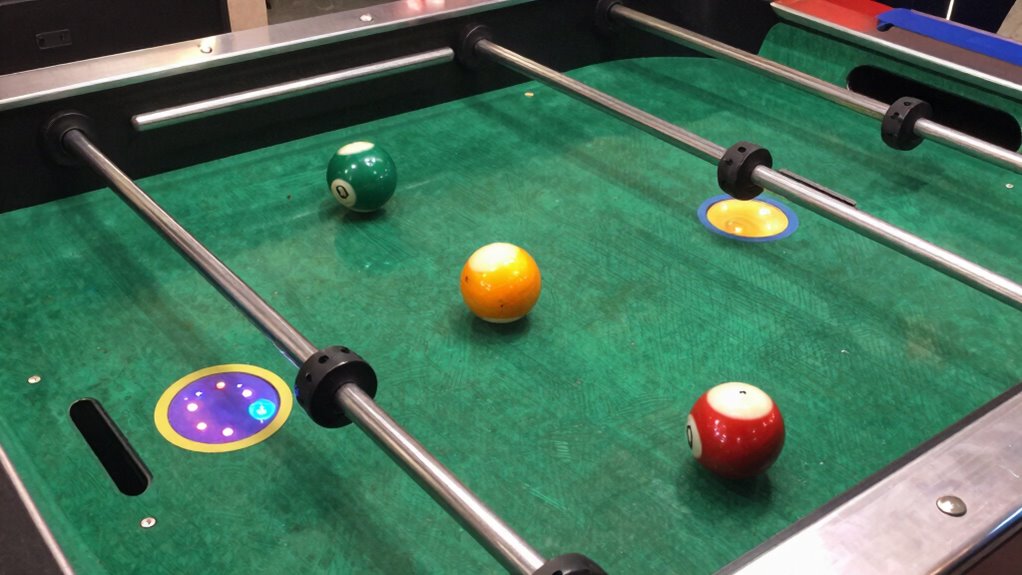

A fair pinball table feels consistent because the mechanics are well-calibrated and require proper maintenance, ensuring predictable ball behavior and scoring. It rewards skill through a balanced layout of targets and ramps, avoiding randomness and favoritism. Clear, transparent responses from the machine, like responsive flippers and understandable scoring, build trust. Tactile feedback and fair design motivate you to keep playing. If you want to discover more ways to enhance fairness, keep exploring the details behind a balanced game.

Play games on Amazon Luna for your game nights, included with Prime
- A rotating selection of games, no download needed
- Play on TV, laptop or phone
- Fast, free delivery for your gear, too
Key Takeaways
- Mechanical calibration ensures consistent ball behavior and reliable scoring.
- A balanced layout rewards skill and minimizes randomness in outcomes.
- Clear, predictable responses from the machine reinforce fairness and trust.
- Precise flipper response and tactile feedback enhance player control and perception of fairness.
- Transparent game mechanics and honest design foster confidence and a sense of earned success.
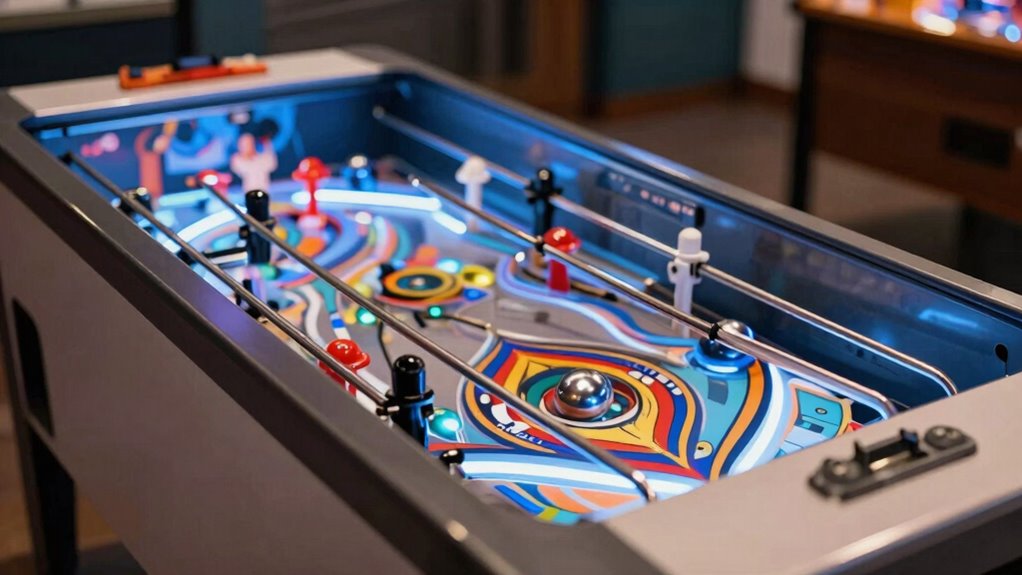
When it comes to pinball, fairness isn’t just about luck — it’s about guaranteeing every player has an equal chance to succeed. A fair pinball table balances skill and chance, making sure no player feels cheated or held back by the machine itself. The design of the coin operated mechanics plays a significant role here. Well-calibrated coin mechanisms ensure that each game starts under the same conditions, preventing players from gaining an unfair advantage through manipulation or inconsistent settings. If the coin operated systems are reliable and consistent, players trust that their experience is determined by their skill, not faulty equipment or hidden tricks. This consistency builds confidence and encourages players to keep coming back, knowing their efforts are what truly matter.
Beyond the mechanical setup, player psychology heavily influences perceptions of fairness. When a player understands how the game works and sees clear, predictable responses from the machine, they’re more likely to feel that the game is fair. If the ball responds consistently to hits and the scoring system is transparent, players can better read the game’s flow and strategize accordingly. Conversely, when the machine behaves unpredictably or seems to favor luck over skill, frustration sets in. You might feel that luck is controlling your success, which diminishes the sense of fairness and can discourage continued play.
The tactile feedback of the pinball table also impacts fairness perceptions. When you strike the flippers, you want to feel a direct, honest response from the machine. If the flippers respond precisely to your input, it reinforces a sense of control. If they lag or act inconsistently, you might think the game is rigged or biased. The layout of the playfield, including the placement of targets and ramps, should challenge skill without feeling arbitrary. A fair table rewards skillful play, giving you opportunities to execute strategies and make meaningful choices. Additionally, mechanical reliability ensures that the game’s response remains consistent, further enhancing the perception of fairness. Proper maintenance and calibration of all mechanical components are crucial to uphold this fairness over time, as even small discrepancies can impact gameplay and perception. Recognizing the importance of consistent gameplay helps players develop trust and confidence in the game’s integrity.
Finally, a fair pinball table fosters a sense of respect for the player’s ability. When the game’s design and mechanics reflect that skill, you’ll feel more engaged and motivated. It’s about creating an environment where success feels earned, not handed out randomly. Good pinball tables balance mechanical reliability, clear gameplay, and psychological fairness, making every game an honest challenge. That’s what keeps players coming back, confident that their effort, not luck or hidden tricks, determines their success.
pinball machine calibration tools
As an affiliate, we earn on qualifying purchases.
As an affiliate, we earn on qualifying purchases.
Frequently Asked Questions
How Does the Flipper Responsiveness Affect Perceived Fairness?
Flipper responsiveness directly impacts perceived fairness because quick, predictable reactions let you feel in control. When tilt sensitivity is well-balanced, it prevents unfair penalties, maintaining trust. Good ball physics ensure the ball moves naturally, making gameplay feel fair and intuitive. If flippers react precisely and consistently, you can make strategic shots without frustration, reinforcing a sense of fairness and skill in the game.
What Role Does Table Layout Play in Fairness?
Ever wondered how the table layout influences fairness? Your eye is drawn to the table’s aesthetics and ramp design, guiding your shots smoothly and intuitively. Clear, balanced layouts guarantee you understand the game’s flow, reducing frustration. Thoughtfully placed ramps and obstacles create a fair challenge, not random chaos. When the layout feels natural, you trust the game more, making each play enjoyable and engaging rather than frustrating or confusing.
How Important Is Ball Speed Consistency for Fairness?
Ball speed consistency is essential for fairness because it guarantees predictable ball physics, making gameplay more manageable and enjoyable. When the ball moves at a steady speed, you can develop strategies and aim accurately, leading to better score balancing. Variations in speed can frustrate players and feel unfair, so maintaining consistent ball physics helps create a level playing field and enhances overall game satisfaction.
Do Sound Effects Influence Player Perception of Fairness?
Yes, sound effects profoundly influence your perception of fairness. When the audio aligns with visual cues and theme coherence, it creates an immersive experience that feels intuitive and just. Imagine the thrill when a satisfying ding signals a well-placed shot—your confidence soars. Conversely, jarring or mismatched sounds can create doubt, making the game seem unfair. Sound guides your instincts, shaping your sense of whether the game is honest or rigged.
How Does the Skill Level of Players Impact Fairness?
Your skill level greatly impacts how fair a pinball table feels because player psychology influences how you perceive game difficulty. When you’re more skilled, you see challenging shots as fair because you understand the mechanics. Conversely, beginners might find the same shots frustrating if they feel too difficult. Balancing game difficulty to match different skill levels helps guarantee everyone perceives the game as fair, keeping players engaged and motivated.
Conclusion
So, when you’re designing or playing a pinball table, fairness boils down to balance, clear rules, and rewarding skill. Do you want the game to feel just, or do you prefer it to be unpredictable? Striking that perfect balance invites players to improve and enjoy every shot. After all, isn’t the true thrill of pinball in the challenge, the fairness, and the satisfaction of nailing that perfect flip?
Fall Picks
fall essentials
As an affiliate, we earn on qualifying purchases.