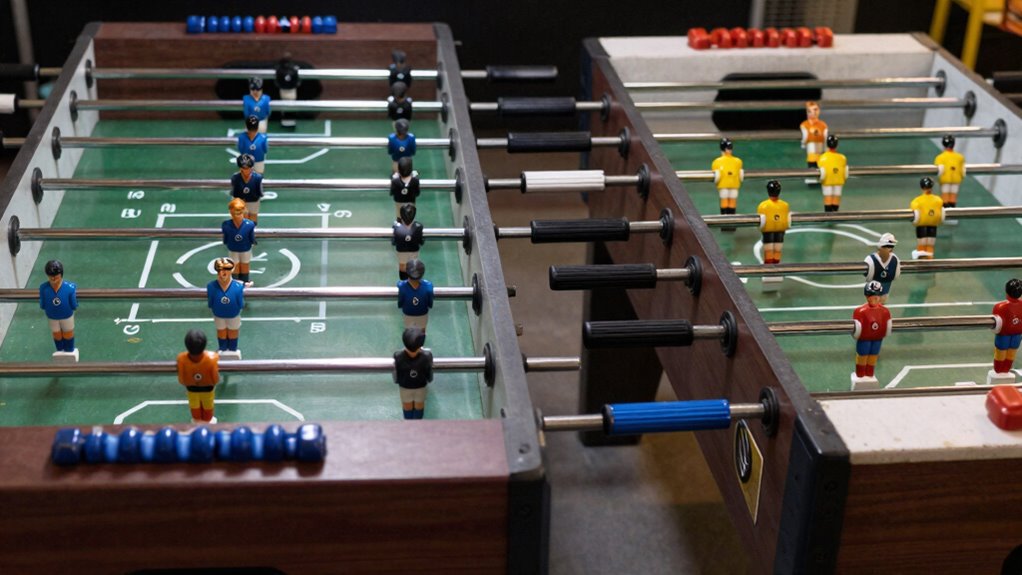

Tournament foosball tables are built with precise dimensions and a smooth, level surface that guarantees reliable and predictable gameplay. They feature ergonomic handles and responsive rods that allow for quick, accurate shots, reducing strain during extended play. The durable construction guarantees consistent performance over time, making them ideal for serious players and competitions. If you want to find out more about what sets them apart, keep exploring the details.
Key Takeaways
- Tournament tables feature standardized dimensions for consistent gameplay, unlike casual models which may vary in size.
- They have smooth, level surfaces ensuring predictable ball movement, whereas casual tables might have uneven surfaces.
- Tournament tables are constructed with durable materials to withstand intense play, unlike more lightweight casual models.
- Handles and rods in tournament tables are designed for high responsiveness and ergonomic comfort for prolonged use.
- They meet strict quality and surface standards for fair play, whereas casual models prioritize affordability and casual use.

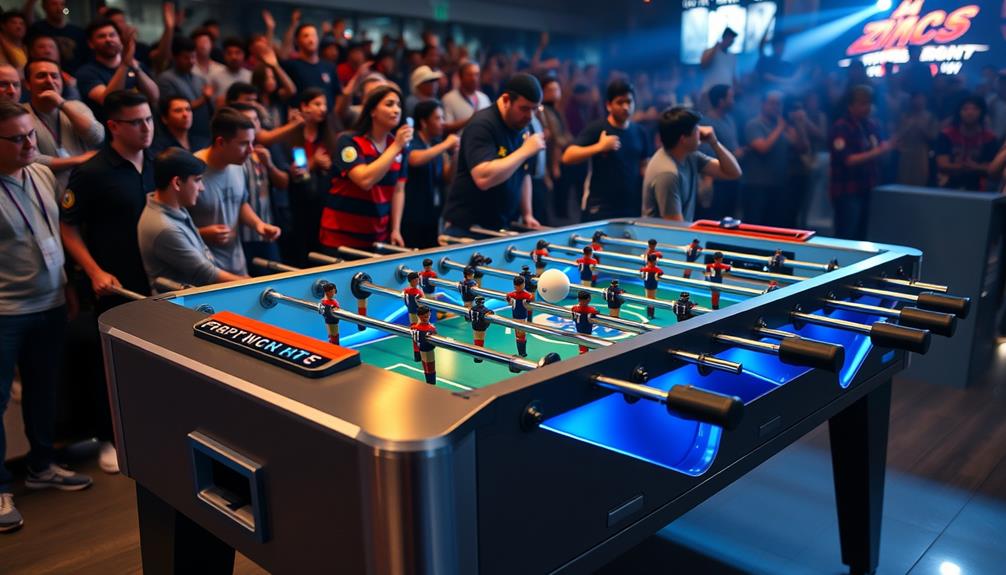
When you’re choosing a foosball table, understanding the key differences between tournament and casual models can help you make an informed decision. Tournament tables are designed with precision and consistency in mind, which directly impacts how you experience ball control. These tables typically feature a smooth, level playing surface that minimizes irregularities, allowing for predictable ball movement. As a player, you’ll notice that ball control on a tournament table feels more reliable, giving you the ability to execute precise passes and shots with confidence. The design ensures that the ball rolls straight and true, reducing unpredictable bounces or stalls that are common on less refined models. Additionally, the standardized dimensions of tournament tables contribute to uniform gameplay, making them the preferred choice for competitions and serious players.
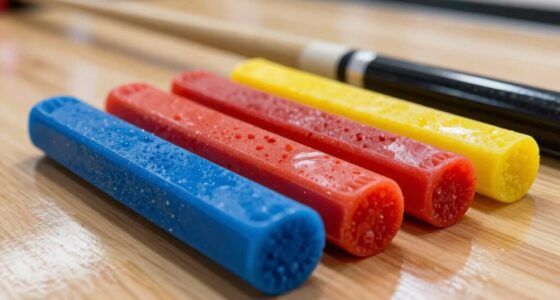
Player ergonomics also set tournament tables apart. These tables are built to accommodate serious players who spend hours practicing or competing. The height and layout of the rods are optimized to reduce strain, making it easier to perform quick turns and powerful shots without fatigue. The handles are often ergonomically shaped for a comfortable grip, allowing for better control and less slipping during rapid movements. Additionally, the rods tend to be more responsive, giving you a quicker reaction time and more accurate control over your players. This ergonomic design helps improve your overall gameplay, especially when you’re trying to execute complex maneuvers or maintain sustained rallies. Furthermore, the precision engineering of tournament tables contributes to their durability and consistent performance over time.

KICK Legend 55" Foosball Table (Black) – Professional Full-Size Indoor Game Table
- Build Material: Durable MDF with scratch-resistant surface
- Playing Action: Smooth chrome rods and no-slip handles
- Goalie Configurations: Switchable 1-man or 3-man goalies
As an affiliate, we earn on qualifying purchases.
As an affiliate, we earn on qualifying purchases.
Frequently Asked Questions
What Materials Are Used in Tournament Foosball Tables?
You’ll find that tournament foosball tables use high-quality materials like MDF or hardwood for the construction, ensuring sturdy foosball table construction. The rods are typically made from solid steel with smooth, durable finishes to withstand intense play. The playing surface often features a high-gloss, durable laminate or MDF, which helps with material durability and consistent ball movement. These materials are chosen specifically for their strength and longevity, making them ideal for serious competition.
How Long Do Tournament Tables Typically Last?
A well-built tournament foosball table can be a timeless champion, lasting 10 to 20 years with proper care. Its durability is like an unbreakable shield, designed to withstand intense gameplay. Player preferences often influence maintenance, but premium materials and sturdy construction guarantee it remains a fierce competitor over time. With regular upkeep, your tournament table becomes a legendary fixture, ready to host countless matches and tournaments.
Are There Specific Maintenance Routines for Tournament Models?
Yes, there are specific maintenance routines for tournament foosball tables. You should regularly check table stability by tightening bolts and leveling the surface to guarantee consistent gameplay. Additionally, focus on surface durability by cleaning the surface with appropriate products and avoiding harsh chemicals. Lubricate moving parts to prevent wear, and inspect rods and players for damage. Consistent maintenance helps preserve the table’s professional quality and ensures maximum performance during tournaments.
Can Casual Tables Be Upgraded to Tournament Standards?
Yes, you can upgrade casual tables to tournament standards, but it’s not always straightforward. Casual gameplay features often lack the precision and durability of tournament models. Upgrade options include installing professional-grade rods, high-quality bearings, and smoother surfaces. However, these improvements can be costly and complex. For serious play, investing in a dedicated tournament table is usually more effective, ensuring consistent performance and reducing the need for frequent upgrades.
What Is the Typical Cost Difference Between the Two Types?
You’ll find that tournament foosball tables typically cost considerably more than casual models, often ranging from $1,500 to over $4,000, while casual tables usually stay under $1,000. When considering pricing comparison, keep your budget considerations in mind—tournament tables offer durability and precision, but they come with a higher price tag. If you’re serious about gameplay, investing in a tournament table might be worth the extra cost.
Conclusion
Think of tournament foosball tables as precision instruments, like finely tuned musical instruments that demand skill and consistency. Casual models are more like friendly jam sessions—fun, relaxed, and forgiving. When you’re serious about improving your game, a tournament table offers the professional edge you need. But for everyday fun, casual tables create a welcoming, enjoyable atmosphere. Whichever you choose, remember it’s all about the joy of the game—like a perfect match made in foosball heaven.