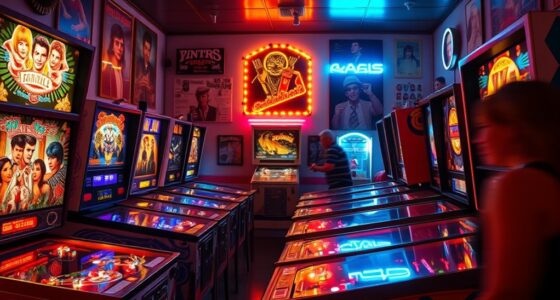
The history of licensed themes in pinball begins in the 1930s with colorful, themed artwork featuring popular characters and motifs, which boosted the machines’ appeal. In the 1980s, movie and TV licenses transformed pinball by adding familiar stories and characters, making them more immersive. The 1990s and 2000s saw collaborations with video games and comics, while modern designs incorporate digital tech and multimedia for even greater interactivity. Keep exploring to see how technology continues shaping pinball’s vibrant history.
Key Takeaways
- Licensed themes in pinball began in the 1930s with popular characters and motifs, evolving artwork and attracting collectors.
- The 1980s saw a surge in movie and TV show licenses, making pinball machines more immersive and culturally prominent.
- The 1990s and 2000s featured collaborations with video game and comic franchises, increasing popularity and collectible appeal.
- Modern licensing leverages digital technology, allowing dynamic themes, multimedia content, and interactive experiences.
- Future trends focus on real-time updates, customization, and advanced display tech to keep pinball innovative and relevant.
Early Beginnings and the Rise of Themed Machines
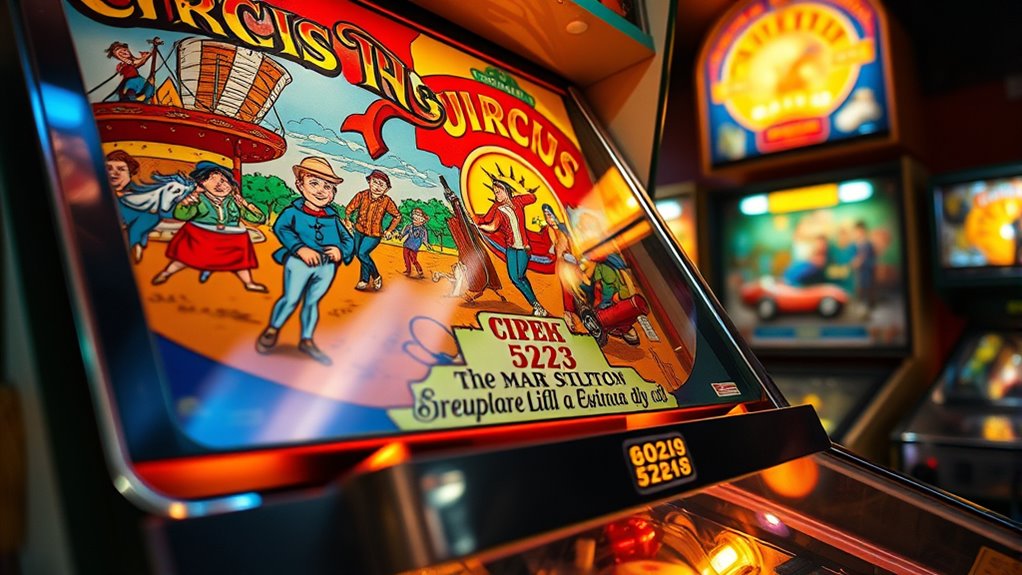
The development of licensed themes in pinball machines began in the 1930s, when manufacturers started incorporating popular characters and motifs to attract players. This shift sparked an artwork evolution, as designers began creating more vibrant, detailed, and themed artwork to enhance the gaming experience. These artistic improvements made the machines visually appealing and helped them stand out in arcades. As a result, collector interest grew, especially among enthusiasts who appreciated both the craftsmanship and nostalgic value of these themed machines. Early themed pinballs often featured cartoon characters or sports motifs, setting the stage for more sophisticated licenses in later decades. The combination of appealing artwork and licensed themes laid the foundation for pinball’s enduring popularity among collectors and players alike. Themed artwork played a crucial role in elevating the visual appeal and market desirability of these machines.
The Impact of Movie and TV Show Licenses in the 1980s

During the 1980s, movie and TV show licenses profoundly transformed pinball machines by bringing familiar characters and stories into the arcade. You’d notice how these themed machines boosted popularity and created a cultural influence that extended beyond gaming. The connection to popular media led to several key developments:
1980s licensed pinball machines featured popular characters, boosting appeal and cultural influence beyond gaming.
- Nostalgic reboots of classic franchises kept fans engaged and attracted new players.
- The use of licensed themes made pinball machines more immersive and visually appealing.
- These licensed machines helped embed pinball in mainstream entertainment, solidifying its place in pop culture.
This era marked a shift from simple designs to machines that resonated with audiences’ love for movies and TV shows, shaping the cultural landscape of pinball for years to come.
Iconic Franchise Collaborations of the 1990s and 2000s
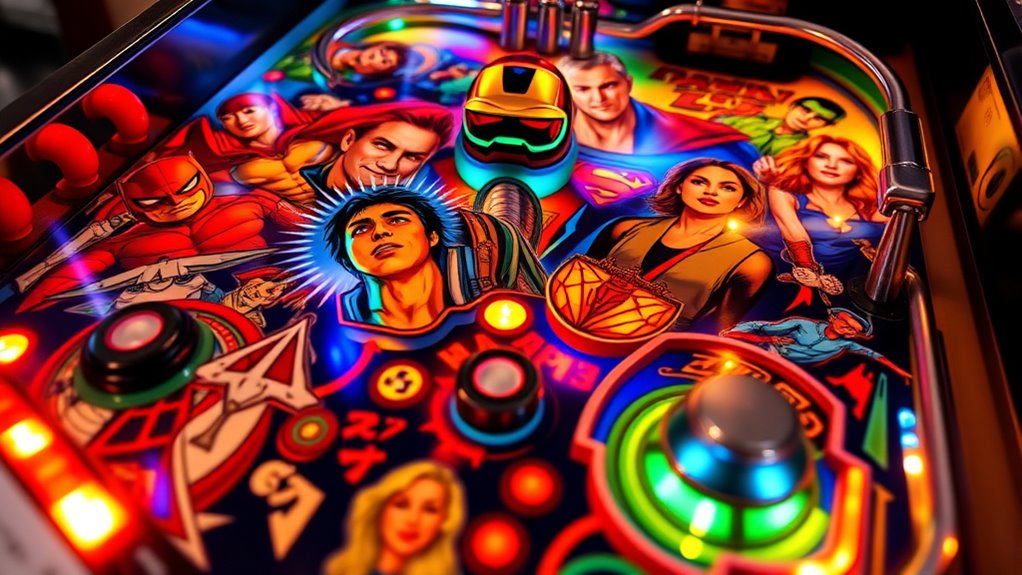
In the 1990s and 2000s, pinball manufacturers began forging bold collaborations with major entertainment franchises, transforming the way players experienced the game. This era saw the rise of pinball machines themed around popular video game and comic book franchises, creating immersive and recognizable playfields. Titles like *The Addams Family* and *Star Wars* drew from established universes, while others like *The Simpsons* combined humor and brand appeal. These collaborations often featured licensed music, artwork, and voiceovers, elevating the game’s appeal. You could now enjoy pinball that captured the essence of beloved characters and stories, making each machine a collectible piece of pop culture. The integration of licensed themes became a popular trend that boosted sales and attracted diverse audiences. This shift not only boosted sales but also cemented licensed themes as a staple in modern pinball design.
The Role of Brand Licensing in Modern Pinball Design
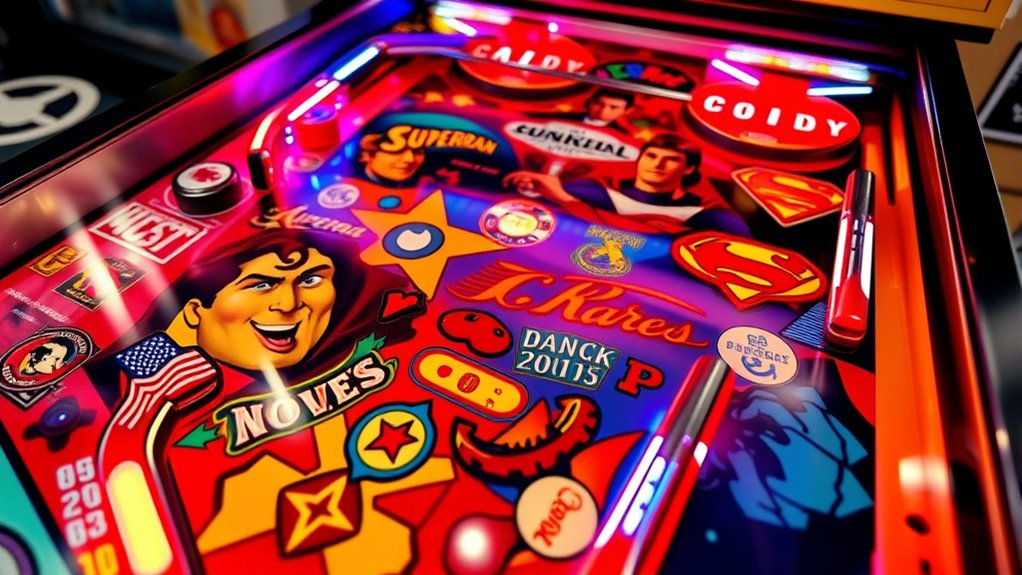
Brand licensing now plays a pivotal role in modern pinball design, allowing manufacturers to tap into popular cultures and expand their audience. By leveraging merchandise synergy, they create themed machines that resonate with fans and collectors alike. This approach enhances brand recognition, making games instantly identifiable and appealing. To maximize the benefits, designers focus on:
- Incorporating iconic imagery and logos for immediate recognition.
- Collaborating with brands to develop exclusive merchandise that complements the game.
- Using licensed themes to attract diverse demographics and boost sales.
- Understanding cryptocurrency regulations to ensure compliance when integrating digital assets into licensing agreements.
These strategies not only increase the game’s appeal but also strengthen the connection between the pinball machine and its licensed brand, creating a cohesive experience for players and fans. Ultimately, brand licensing fuels the evolution of pinball design in today’s competitive market.
Technological Advances and New Licensing Opportunities
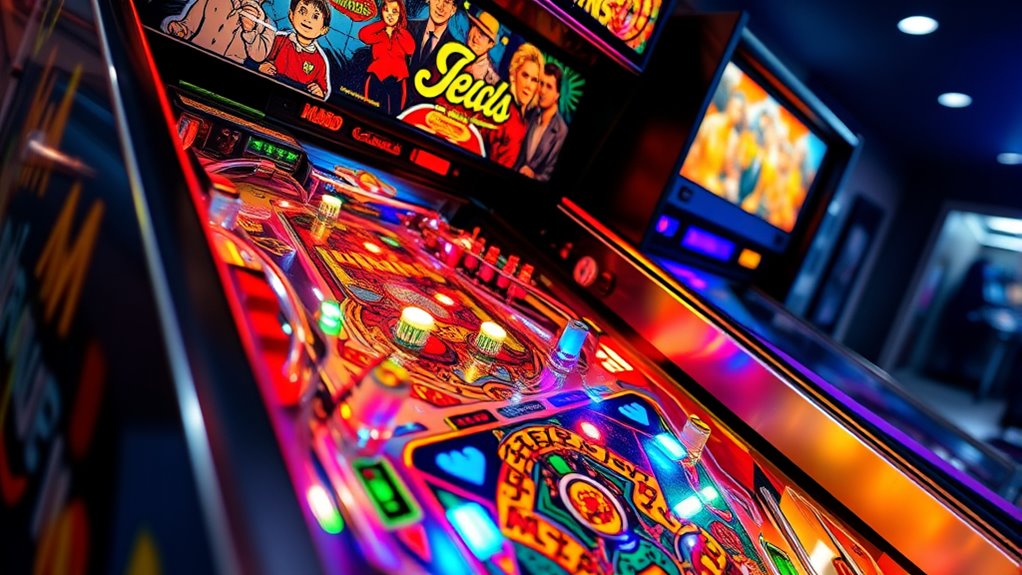
Have technological advances opened new doors for licensing opportunities in pinball design? Absolutely. Digital integration allows manufacturers to incorporate licensed themes more dynamically, enhancing gameplay with video screens, interactive displays, and online updates. Augmented reality takes this further by blending digital content with the physical pinball machine, creating immersive experiences tied to popular brands or characters. These innovations enable designers to push creative boundaries, offering licensed themes that feel more engaging and current. As a result, licensing agreements now often include digital rights, allowing for content updates and expanded multimedia features. This synergy between technology and licensing not only broadens the scope of themes available but also attracts a wider audience enthusiastic for interactive, state-of-the-art pinball experiences.
The Future of Licensed Themes in the Pinball Industry
Technological innovations continue to shape what’s possible for licensed themes in pinball, setting the stage for even more immersive and personalized experiences. With digital integration, future pinball machines will seamlessly connect to online content, enabling real-time updates and new themes. You’ll also see increased user customization options, allowing you to modify gameplay, artwork, and soundtracks to match your preferences. Advances in display technology will further enhance visual effects, making licensed themes more vibrant and engaging than ever before. Digital display technology will revolutionize how themes are presented and experienced. These advancements will make licensed themes more engaging, flexible, and tailored to individual players, ensuring pinball remains innovative and relevant.
Frequently Asked Questions
Which Licensed Themes Generated the Highest Revenue for Pinball Manufacturers?
You might be surprised to learn that licensed themes like The Addams Family and Twilight Zone generated the highest revenue for pinball manufacturers. These themes boost collectible value, attracting collectors and players alike. However, licensing costs can be significant, impacting profit margins. Despite this, popular licensed themes often lead to increased sales and longer game lifespans, making them a smart investment for manufacturers aiming to maximize revenue.
How Did Licensing Fees Impact Pinball Machine Pricing Historically?
Licensing fees have historically inflated pinball machine prices more than a rocket launch! You see, licensing costs and manufacturing expenses pile up, forcing manufacturers to increase prices to stay afloat. When popular themes get big-name licenses, it’s like adding a gold-plated upgrade to a basic model—costs soar. So, fundamentally, licensing fees directly push up the retail price, making these machines more of a luxury than just a game.
Were There Any Licensed Themes That Faced Legal Challenges or Disputes?
You might wonder if licensed themes in pinball faced legal challenges. Yes, some faced copyright disputes and licensing controversies, especially when manufacturers didn’t secure proper permissions. These issues led to lawsuits or the removal of certain themes from machines. You see, licensing disputes can be costly and complicated, making manufacturers cautious. So, some pinball themes had to be altered or withdrawn due to these legal challenges, impacting game design and licensing practices.
How Do Licensing Agreements Influence the Creative Design of Pinball Machines?
Licensing agreements shape your pinball machine’s creative design by balancing constraints and opportunities. You incorporate original artwork that respects brand guidelines, ensuring visual appeal while maintaining brand identity. Cross-promotional marketing becomes a key strategy, blending the game’s theme with the licensed property’s promotional goals. This collaboration influences your choices, pushing you to innovate within boundaries, ultimately creating a machine that’s both visually engaging and aligned with licensing terms.
What Are the Most Rare and Sought-After Licensed Pinball Machines Today?
You’ll find that rare licensed pinball machines like the Twilight Zone, Monster Bash, or Addams Family attract high collector interest today. These machines often feature custom artwork and unique features that make them highly desirable. Because of their limited availability and iconic themes, enthusiasts actively seek them out, knowing they combine nostalgic appeal with exceptional craftsmanship. Their rarity boosts their value, making them prized additions to any serious pinball collection.
Conclusion
As you’ve seen, licensed themes have shaped pinball’s evolution, blending pop culture with gameplay. They’ve kept the industry fresh and exciting, proving that variety is the spice of life. Remember, “a picture is worth a thousand words,” and licenses turn pinball machines into iconic stories you can play. Embrace the future, knowing that innovation and familiar favorites will continue to inspire your next great game. Keep your eyes on the prize!