
Arcade games hook your brain by tapping into your reward system, releasing dopamine with each achievement or high score. They use visuals, challenges, and social validation to motivate you, fueling feelings of mastery and competition. Frustration and persistence keep you engaged as you try to overcome setbacks, while game design tricks exploit your desire for instant rewards. Want to understand how these tactics influence your cravings and enjoyment? Keep exploring to uncover the full story.
Key Takeaways
- Arcade games activate the brain’s reward system through dopamine release triggered by high scores and immediate feedback.
- The desire for achievement and mastery drives players to improve scores, reinforcing continued engagement.
- Leaderboards and social comparison create motivation through peer validation and competitive urges.
- Frustration and setbacks encourage persistence, with cognitive biases like the sunk cost fallacy prompting ongoing play.
- Focusing on fun and setting limits helps maintain enjoyment and prevents burnout from relentless score chasing.
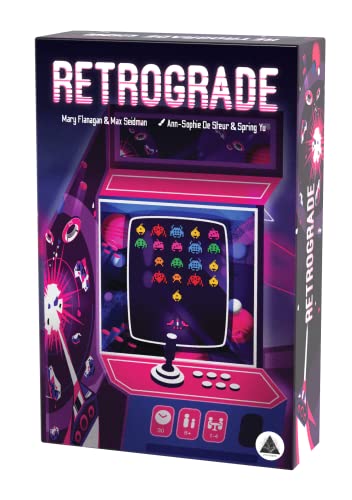
Retrograde, Fast-Paced Real-Time Dice Rolling Game, Ages 8+, 1 to 4 Players, Resonym Games
Retrograde is a thrilling arcade dice game where you race to roll dice, claim targets, and blast Astro-Droids….
As an affiliate, we earn on qualifying purchases.
As an affiliate, we earn on qualifying purchases.
Why Do We Love Chasing High Scores in Arcade Games?

Many players are drawn to chasing high scores in arcade games because it taps into a natural desire for achievement and mastery. As you play, nostalgic memories flood back, reminding you of simpler times when beating a game felt like conquering a challenge. Aspiring for higher scores fuels your sense of skill mastery, pushing you to improve and refine your techniques. This pursuit creates a satisfying cycle—you improve, feel accomplished, and want to keep going. The thrill isn’t just about winning; it’s about reliving those moments of triumph that connect you to your past. High scores become a personal badge of honor, giving you a sense of progress and control. It’s this blend of nostalgia and mastery that keeps you hooked on the chase. Additionally, engaging in brain-boosting activities like mastering game mechanics can further enhance your mental engagement and satisfaction. Recognizing the psychological rewards involved can deepen your understanding of why high-score chasing is so addictive. Moreover, the competitive aspect can trigger a reward response in the brain, reinforcing the behavior.

VitaMonk Dopify Dopamine Supplement Dopamine Booster with Uridine Monophosphate, Mucuna Pruriens, L-Theanine, Tyrosine and More – No Artificial Fillers, Just Brain Food – 60 Capsules
Dopamine is essential for health – Dopamine is an organic compound that plays a role in brain functions…
As an affiliate, we earn on qualifying purchases.
As an affiliate, we earn on qualifying purchases.
How Do Arcade Games Activate Your Brain’s Reward System?

Arcade games activate your brain’s reward system by triggering the release of dopamine, a neurotransmitter associated with pleasure and motivation. When you hit a high score or complete a challenging level, your brain stimulates dopamine pathways, reinforcing these rewarding experiences. This neurochemical response is fundamental to why arcade games are so addictive, hooking you emotionally and psychologically through ongoing reward signals. The design of game mechanics plays a crucial role in how these experiences are structured, influencing your engagement and motivation. The excitement of scrolling through scores or achieving small victories continually stimulates these pathways, creating a cycle of anticipation and reward. As dopamine floods your brain, it heightens your focus and drives persistence, fueling your desire to improve and beat your previous records. Additionally, understanding the neuroscience of reward can help you recognize how these games tap into your natural motivational systems. Moreover, the use of visual stimuli in game design amplifies these effects by making rewards more immediate and satisfying, further reinforcing the addictive cycle. Recognizing how reward signals are carefully crafted in game design can help you understand the psychological hooks that make arcade games so compelling.

MAYFLASH F300 Arcade Fight Stick Joystick for Switch/Switch 2, PS4, PS3, Xbox Series S/X, Xbox One, Xbox 360, macOS, Windows, Steam Deck and more
Compatible with Switch/Switch 2, PS4, PS3, Xbox Series S/X, Xbox One, Xbox 360, PC Windows, macOS, Steam Deck,…
As an affiliate, we earn on qualifying purchases.
As an affiliate, we earn on qualifying purchases.
Why Do Competition and Social Validation Make You Play More?

When you compete with others, it sparks your motivation to improve and succeed. Social validation, like recognition from peers, keeps you engaged and enthusiastic to play more. Comparing yourself to others pushes you to persist and aim higher in your gaming efforts. Additionally, understanding the psychology behind reward systems can help explain why these social and competitive elements make gaming so addictive. Exploring architectural solutions used in gaming environments can further enhance engagement and user experience. Incorporating game design principles that leverage these psychological factors can create more compelling and motivating experiences for players. Recognizing the role of intrinsic motivation can also deepen players’ connection and commitment to their gaming journey, much like the benefits seen in aquatic exercise that promote sustained activity and enjoyment.
Social Competition Sparks Motivation
Competition and social validation can considerably boost your motivation to keep playing because they tap into our natural desire for recognition and achievement. Leaderboard psychology plays a key role here, as seeing your name climb higher on the rankings fuels your drive to improve. Social facilitation also kicks in, making you perform better when others are watching or competing against you. When you know friends or strangers are observing your scores, you’re more likely to push yourself harder. This sense of being part of a social environment creates a feedback loop: the more you compete, the more motivated you become to beat your previous bests. Additionally, vetted – Nightingale Studio offers insights into how game design leverages these psychological triggers to enhance player engagement. Understanding the impact of competitive motivation can help developers craft more engaging experiences. Recognizing how cybersecurity vulnerabilities are exploited in gaming environments underscores the importance of secure systems to maintain fair play and trust. Moreover, awareness of psychological triggers enables players to recognize when their motivation is being intentionally influenced, helping them make more mindful choices during gameplay. Furthermore, awareness of security and compliance in gaming systems highlights the necessity of robust cybersecurity measures to protect players’ data and maintain integrity. Ultimately, social competition transforms the game from a solo activity into a shared challenge that keeps you engaged longer.
Recognition Enhances Engagement
Recognition fuels your desire to keep playing because it provides tangible proof of your progress and skill. When your achievements are acknowledged, whether through high scores or visual cues, it reinforces your sense of mastery. Game aesthetics, like vibrant visuals and rewarding sounds, amplify this effect by making recognition more satisfying. Nostalgia factors also play a role; familiar game designs and retro styles evoke positive memories, increasing your emotional investment. This social validation makes your efforts feel meaningful, driving you to improve further. As you see your name on leaderboards or receive in-game praise, you’re motivated to continue, seeking that feeling of accomplishment. Recognition taps into your brain’s reward system, making gameplay more engaging and addictive. Additionally, visual cues and design elements can enhance the perception of achievement, further boosting motivation. Incorporating psychological principles such as reinforcement and motivation theory can deepen this engagement and encourage ongoing play, especially when combined with energetic alignment that boosts your overall enthusiasm and focus during gaming. Techniques like immediate feedback are also crucial in maintaining high levels of engagement by providing instant recognition of your efforts and progress. Understanding the role of dopamine release in reward processing helps explain why these elements are so powerful in maintaining motivation.
Peer Comparison Drives Persistence
Seeing your ranking among peers or receiving social validation triggers a strong desire to outperform others, fueling your persistence in gameplay. This peer influence and leaderboard motivation tap into your competitive nature, making you push harder. You might notice:
- The urge to climb higher on the leaderboard, driven by the thrill of peer comparison.
- Increased effort to beat friends’ scores, fueled by social validation.
- A sense of pride when surpassing others, encouraging continued play.
- Anxiety or frustration if you fall behind, prompting you to try again.
- The ability of lightweight foundations and tinted moisturizers to boost confidence without feeling heavy or cakey, similar to how social validation boosts motivation.
These factors make you more likely to keep playing, aiming for that sweet spot of social recognition. Peer comparison creates a powerful loop, turning gaming into an addictive challenge that keeps you hooked.

Handheld Board Game Digital Tracking, Ergonomic Design & Compact Portable Device for Tabletop Gaming Party Game Score Trackers Digital Counter
Designed with a compact body and ergonomic buttons, this scorekeeper ensures effortless operations while its sturdy build withstands…
As an affiliate, we earn on qualifying purchases.
As an affiliate, we earn on qualifying purchases.
What Makes Persistence and Frustration Keep You Hooked?

When you encounter setbacks in a game, your mind often pushes you to keep trying, even when frustration rises. Motivation theories, like the desire for mastery or achievement, drive your persistence. Cognitive biases, such as the sunk cost fallacy, make you want to keep playing because you’ve invested so much time. Frustration can actually reinforce your engagement, as overcoming challenges triggers a sense of accomplishment. Your brain sees each attempt as a step toward mastery, making failure feel temporary. These psychological factors create a loop: setbacks fuel your determination, and the thrill of eventual success keeps you hooked. Even when frustration peaks, your mind convinces you to persist, fueled by deep-seated biases and motivation mechanisms that amplify your dedication.
How Do Game Design Tricks Exploit Your Brain’s Reward Pathways?

Game designers expertly manipulate your brain’s reward pathways to keep you engaged and motivated. They trigger neurochemical responses, especially dopamine release, which makes you feel pleasure and achievement. This creates a powerful cycle that hooks you in. Consider these tactics:
- Random Rewards: Unexpected bonuses stimulate dopamine, making you crave more.
- Progress Indicators: Clear goals and levels give a sense of advancement, boosting motivation.
- Immediate Feedback: Quick responses to actions reinforce your behavior with satisfying cues.
- Scarcity and FOMO: Limited-time events trigger urgency, heightening dopamine release and keeping you hooked.
These tricks exploit your brain’s natural reward system, making each small success feel like a win. As a result, you chase high scores, driven by the chemical rush of dopamine firing through your brain.
Tips to Enjoy Arcade Games Without Overdoing It

To enjoy arcade games without overdoing it, start by setting clear time limits for your play sessions. Remember to focus on having fun rather than just chasing high scores. This way, you can keep the experience enjoyable and avoid burnout.
Set Time Limits
Setting time limits is essential for enjoying arcade games responsibly. Without boundaries, you risk losing track of time, increasing stress and sacrificing score consistency. To keep balance:
- Set a timer for each session to avoid endless play.
- Allocate specific times to practice, then take breaks to reset your focus.
- Recognize when the game’s increasing time pressure affects your performance.
- Avoid chasing high scores late into the night, which can lead to burnout.
Focus on Fun
While keeping time in check helps prevent burnout, remembering to focus on fun keeps your arcade experience enjoyable. Nostalgic memories often draw you back to arcade games, but it’s important to balance those feelings with a genuine enjoyment of playing. Instead of solely chasing high scores, relax and appreciate the game for its entertainment value. Focus on skill development at a comfortable pace, which can make your experience more rewarding and less stressful. When your main goal is fun, you’re less likely to overdo it or feel frustrated. Celebrate small victories and appreciate the nostalgia that brings you joy. Ultimately, arcade gaming should be about having a good time, not just winning or setting records.
Frequently Asked Questions
Can High-Score Chasing Lead to Gaming Addiction?
Yes, high-score chasing can lead to gaming addiction. When you focus on leaderboard competition and skill mastery, you may feel compelled to keep playing to beat your records and climb ranks. This persistent drive can turn into an obsession, especially if you neglect other areas of life. The thrill of improvement and recognition keeps you hooked, making it hard to stop even when you’re no longer enjoying the game.
How Does Dopamine Influence Arcade Game Enjoyment?
They say “good things come to those who wait,” but in arcade games, dopamine release makes you want to keep playing. When you score points or hit a milestone, your reward sensitivity spikes, releasing dopamine that makes you feel pleasure. This chemical boost fuels your enjoyment and motivation, encouraging you to chase higher scores. You’re driven by this pleasure cycle, making arcade gaming addictive and exciting.
Are Some Players More Susceptible to High-Score Obsession?
Yes, some players are more susceptible to high-score obsession due to their competitive mindset and risk-taking behavior. If you thrive on competition and enjoy pushing boundaries, you’re more likely to chase scores relentlessly. Your desire for mastery and recognition fuels this obsession, making it harder to step away. Understanding your tendencies can help you enjoy gaming without becoming overly fixated on high scores.
What Psychological Traits Predict Persistent Arcade Gaming?
Your motivation factors and personality traits predict your persistence in arcade gaming. If you’re highly competitive, thrill-seeking, or ambitious, you’re more likely to chase high scores relentlessly. Traits like impulsivity and extraversion also boost your drive, making it harder to step away. This combination fuels your desire for achievement and pleasure, keeping you hooked as you seek to improve, prove yourself, or simply enjoy the challenge.
How Does Age Affect Motivation to Chase High Scores?
Your age influences your motivation to chase high scores, with younger players often driven by competitive spirit and social validation, while older gamers may seek nostalgia or personal achievement. Age-related motivation shifts as generational gaming trends evolve, making younger players more engaged with current game mechanics. You might find that your desire to beat scores varies based on these trends and your own gaming history, shaping how you approach arcade challenges.
Conclusion
Next time you plunge into an arcade game, remember it’s your brain’s reward system at work. Like Sarah, who kept playing her favorite game to beat her high score and felt a surge of pride each time she improved, you’re wired to chase that thrill. Enjoy the challenge, but stay mindful not to let it take over. Balance is key—so game on, but know when to pause and savor the fun.