
TL;DR
This article examines the artistic design and engineering behind Sega CD’s Silpheed, emphasizing its technical achievements and influence. It provides a detailed analysis of its graphics, sound, and development process.
Sega CD’s Silpheed is recognized for its innovative use of CD-based technology to deliver advanced graphics and sound for its time. This detailed examination highlights the game’s artistic and engineering achievements, which continue to influence retro gaming discussions. The focus is on how its design and technical execution set new standards for FMV and sprite rendering on the Sega CD platform.
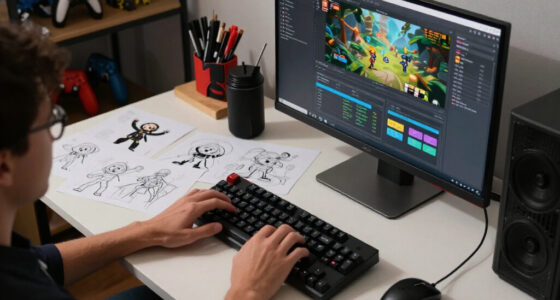
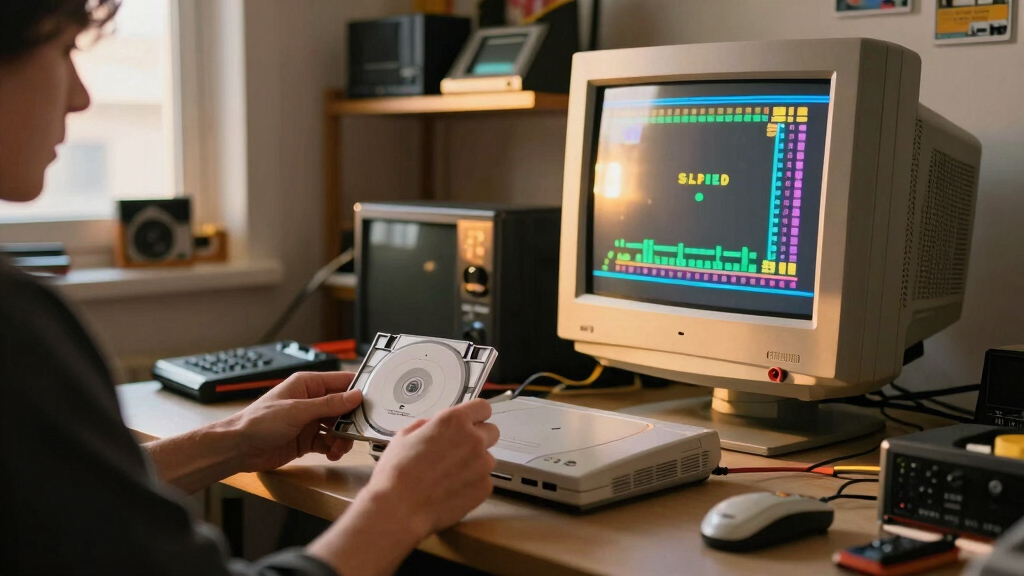
Developed by Game Arts and published by Sega in 1994, Silpheed for the Sega CD is notable for its combination of pre-rendered backgrounds, animated sprites, and FMV sequences. The game’s art direction employed detailed pixel art and innovative use of CD-ROM storage to include high-quality cutscenes, a significant leap from cartridge-based systems of the era.
Engineers faced challenges in optimizing the Sega CD hardware, which had limited processing power and memory. To overcome these, developers utilized clever programming techniques such as sprite scaling and rotation (mode 7-like effects), along with efficient data streaming from the CD to maintain smooth gameplay and cinematic sequences. The game’s sound design also integrated CD-quality audio, enhancing immersion.
According to interviews with the development team, the artistic choices aimed to evoke a cinematic experience, blending space shooter gameplay with visual storytelling. The game’s distinctive aesthetic, combining detailed backgrounds with fluid sprite animations, was a direct result of both creative vision and technical innovation.
Impact of Silpheed’s Technical and Artistic Innovations
Silpheed demonstrated how the Sega CD could be used to produce cinematic, visually rich experiences, influencing future FMV and space shooter titles. Its engineering solutions addressed hardware limitations creatively, setting a benchmark for multimedia integration in console games. The game’s artistic style also contributed to the perception of CD-based systems as capable of delivering high-quality visuals and sound, shaping industry expectations during the mid-1990s.

Wireless Retro Game Console, Retro Gaming Console with Built-in 9 Emulators, 25200+Games, 4K HDMI Output, Dual 2.4GHz Wireless Controller, Plug and Play Video Game Console (Black)
- Vast Game Library: Over 25,200 pre-installed retro games
- Wireless Controllers: Includes dual 2.4GHz wireless controllers
- Plug and Play: Connects directly to TV or monitor
As an affiliate, we earn on qualifying purchases.
As an affiliate, we earn on qualifying purchases.
Silpheed’s Place in Sega CD and Gaming History
Released in 1994, Silpheed was part of Sega’s push to showcase the capabilities of the Sega CD add-on, which aimed to deliver CD-quality audio and full-motion video. The game was developed by Game Arts, known for their work on the original arcade and PC versions. Its technical achievements were often highlighted in promotional materials, emphasizing the use of CD-ROM technology to enhance visual storytelling and gameplay depth.
Prior to Silpheed, space shooters had relied heavily on sprite-based graphics with limited backgrounds. This title broke new ground by integrating pre-rendered backgrounds with animated sprites, creating a more immersive space combat experience. Its development reflected broader industry efforts to leverage CD technology for richer multimedia content, although hardware constraints limited what could be achieved.
Recent retrospective analyses have praised Silpheed for its artistic ambition and technical ingenuity, often citing it as a standout example of Sega CD’s potential. However, it also faced criticism for technical issues such as loading times and limited gameplay complexity, which were common challenges for early CD-based consoles.
“We aimed to create a cinematic space adventure that combined detailed art with innovative use of CD technology.”
— Kenji Kanno, game designer
Remaining Technical and Artistic Challenges
While much has been documented about Silpheed’s innovative techniques, some specifics of the programming optimizations and artistic decisions remain proprietary or undocumented. It is also unclear how much influence the game’s design directly had on subsequent titles, as industry records are limited. Further insights may emerge from interviews with original developers or technical analyses of the game’s code.
Future Retrospectives and Technical Analyses
Ongoing research and interviews are expected to shed more light on the development process of Silpheed. Additionally, enthusiasts and historians are likely to continue analyzing the game’s code and hardware techniques, potentially leading to new appreciation of its engineering feats. Re-releases or emulation projects may also offer opportunities to study its technical implementation in detail.
Key Questions
What made Silpheed’s graphics innovative for its time?
Silpheed combined pre-rendered backgrounds, sprite scaling, and rotation effects, utilizing CD-ROM storage to deliver high-quality visuals and cinematic cutscenes, which was advanced compared to typical cartridge-based games.
How did developers overcome hardware limitations of the Sega CD?
They used techniques such as efficient data streaming from the disc, clever sprite manipulation, and optimized programming to balance gameplay, visuals, and sound within the system’s constraints.
Did Silpheed influence later space shooters or FMV games?
While direct influence is difficult to quantify, its technical and artistic achievements set a benchmark for multimedia storytelling and visual design in CD-based gaming, inspiring future titles in the genre.
Are there any preserved development documents or source code available?
There are no publicly available original source codes or detailed development documents, but ongoing technical analyses and interviews continue to reveal insights into its creation.
Source: hn