
From Pong’s simple electronic gameplay, arcade gaming has seen major milestones like the shift from mechanical machines to pixel-based visuals, the development of CRT displays, and the integration of microprocessors for complex gaming. Iconic titles like Pac-Man and Donkey Kong captured culture, while technological breakthroughs like motion sensors and VR created immersive experiences. As arcade tech evolved, so did industry shifts and innovations that continue to shape the future—explore further to uncover each breakthrough.
Key Takeaways
- Transition from mechanical coin-operated machines to electronic displays enabled more immersive and colorful gaming experiences.
- Development of pixel graphics transformed static images into dynamic visuals, enhancing visual appeal.
- Integration of microprocessors and microcontrollers allowed complex, responsive gameplay and real-time graphics rendering.
- Introduction of motion sensors, advanced graphics, and virtual reality technology created highly interactive and immersive arcade experiences.
- Cultural impact and technological advances in arcade gaming influenced modern gaming industry, competitive play, and entertainment trends.

WYGAMING Portable 20000 in 1 Metal Box 3D Arcade Game Console, 22 inch Screen Retro Electronic Game Console, with Search/Hide/Save/Load/Pause Functions
【 3D SERIES ZSH WIFI new system】 64-bit S812 CPU, CORTEX-A9 Mali MP8 450Mhz,2.0GHz dual-core GPU, 8GB RAM;…
As an affiliate, we earn on qualifying purchases.
As an affiliate, we earn on qualifying purchases.
The Origins of Arcade Gaming: From Coin-Operated Machines to Pixels

The history of arcade gaming begins with the rise of coin-operated machines, which revolutionized entertainment in the early 20th century. These coin op origins laid the groundwork for immersive public gaming experiences, initially featuring simple mechanical displays. As technology advanced, developers focused on pixel development, transforming static images into dynamic, colorful visuals. Early video games like Pong built on this progress, combining electronic circuitry with pixel-based graphics to create interactive gameplay. You can see how these innovations made arcade gaming more engaging and accessible, drawing crowds to arcades worldwide. The shift from mechanical to electronic, and eventually pixel-based displays, fueled the growth of arcade culture, setting the stage for modern gaming milestones. This evolution highlights how technological creativity shaped the industry’s foundation, with electronic circuitry playing a crucial role in enabling these innovations.

19 Inch Arcade Monitor Complete with CRT Mount for CRT Replacement, for Upright Cabinet Replacement.
Jamma and Mame Ready
As an affiliate, we earn on qualifying purchases.
As an affiliate, we earn on qualifying purchases.
Key Technological Breakthroughs in Arcade Hardware

The evolution of CRT displays transformed how arcade games looked and played, offering brighter colors and sharper images. Microprocessor integration then revolutionized hardware, making games more complex and responsive. These breakthroughs set the stage for the advanced arcade experiences you enjoy today.
CRT Display Evolution
Have you ever wondered how arcade screens evolved to deliver sharper, more vibrant visuals? The key was the CRT display, which revolutionized game graphics with its phosphor glow. Over time, improvements increased resolution, contrast, and color accuracy. These advancements made gameplay more immersive and visually appealing. The CRT’s ability to produce bright, luminous images set the foundation for modern arcade visuals. As technology progressed, cathode-ray tubes became more refined, reducing flicker and enhancing sharpness. The evolution of CRT displays is marked by several milestones: 1. Higher refresh rates for smoother motion 2. Better phosphor materials for richer colors 3. Increased resolution for sharper images. Additionally, display technology advancements contributed to reducing eye strain and improving overall visual quality, further captivating arcade audiences.
Microprocessor Integration
As microprocessors became integrated into arcade hardware, they revolutionized game design by enabling more complex and responsive gameplay. This chip integration marked a major breakthrough, allowing developers to craft richer, more dynamic experiences. The microcontroller evolution made it possible to handle multiple tasks simultaneously, from graphics to sound, within a single chip. This advancement reduced hardware complexity and increased reliability. With the shift from simple logic circuits to sophisticated microprocessors, arcade games gained increased processing power, which paved the way for innovative gameplay mechanics and visual effects. The integration of these chips also facilitated easier updates and customization. Furthermore, chip integration enabled the development of more versatile and adaptable arcade systems, opening new possibilities for game creators. The increased processing capabilities also contributed to the rise of real-time graphics rendering, which enhanced visual fidelity and immersion. Overall, microprocessor integration transformed arcade hardware from basic machines into powerful platforms capable of pushing technological and creative boundaries.
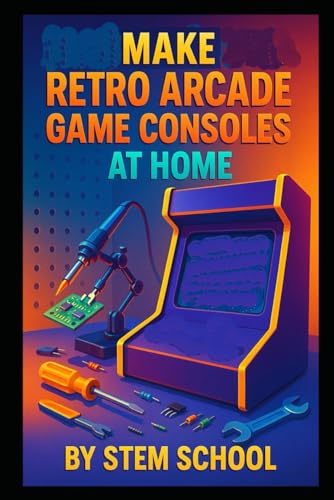
Make Retro Arcade Game Consoles at Home: Build Single Board Computer Powered Arcade Kits for Enthusiasts
As an affiliate, we earn on qualifying purchases.
As an affiliate, we earn on qualifying purchases.
Classic Arcade Games That Defined an Era
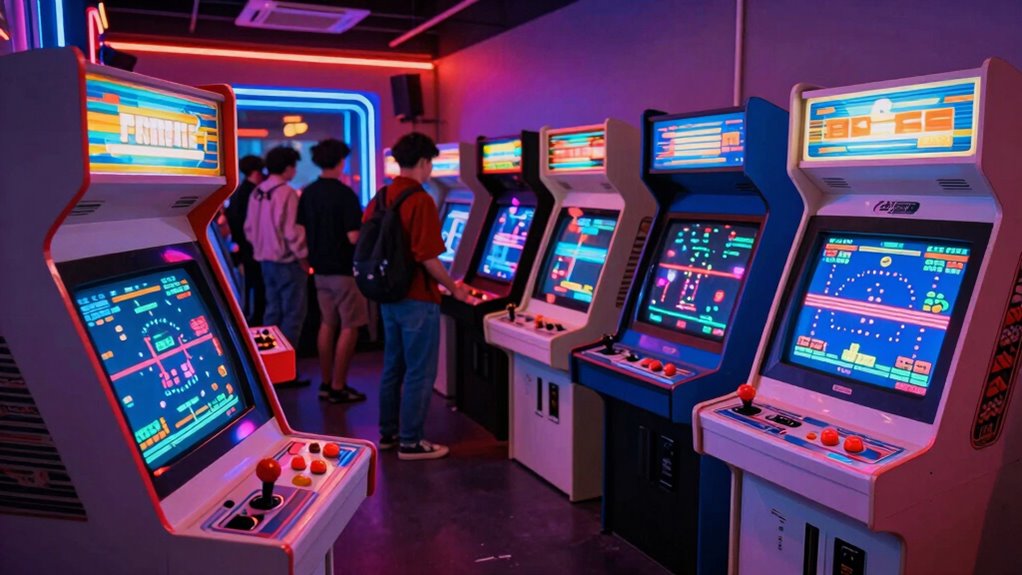
Few arcade games have left as lasting an impression as Pac-Man, which revolutionized the gaming industry in the early 1980s. Its retro aesthetics, colorful graphics, and simple gameplay set a new standard for arcade entertainment. Pac-Man also fueled the high score culture, encouraging players to beat their own and others’ records, fostering competition and community. Other iconic titles that defined an era include:
Pac-Man revolutionized arcade gaming with its simple design, vibrant visuals, and competitive high score culture.
- Donkey Kong – introduced platform gameplay and memorable characters.
- Space Invaders – popularized shooting games and arcade fever.
- Galaga – built on space shooter mechanics with strategic elements.
These games became cultural phenomena, shaping arcade culture and inspiring future game development. Their enduring appeal lies in their straightforward design, addictive gameplay, and nostalgic value, solidifying their place in gaming history. Additionally, modern fan engagement strategies often draw inspiration from these classic titles to create immersive and interactive experiences for players today. Recognizing the innovative mechanics of these classics helps game developers craft engaging experiences that resonate with players across generations. Moreover, their influence extends to game design principles, shaping how contemporary titles incorporate simplicity and challenge to captivate audiences.

DPVR E3S Softstrap Virtual Reality Headset, VR Set for Business of Egg Seats Headset, VR Simulator Riders, Moto, Time Machine 6 Seats and VR Flying, VR Headsets Not for Personal User
Unmatched Performance: The DPVR E3S Virtual Reality Headset delivers an immersive visual experience with a 360° view, 110°…
As an affiliate, we earn on qualifying purchases.
As an affiliate, we earn on qualifying purchases.
What Made These Arcade Titles So Influential?

You’ll see how innovative gameplay mechanics set these titles apart, offering fresh experiences that kept players hooked. Their cultural impact turned them into icons, shaping entertainment trends and even influencing society. Additionally, technological breakthroughs allowed these games to push boundaries, making them unforgettable milestones in arcade history.
Innovative Gameplay Mechanics
What exactly made certain arcade titles stand out and influence the gaming industry? It’s their innovative gameplay mechanics that set them apart. These titles introduced new ways to engage players, making experiences more immersive. Colorful presentation not only attracted players but also encouraged exploration and enjoyment, further enhancing the gaming experience. Additionally, incorporating tangible feedback like haptic sensations made gameplay more tangible and exciting. 1. Haptic feedback added physical sensations, making gameplay more tangible and exciting. 2. Motion controls allowed players to physically interact, creating a more active experience. 3. Unique gameplay innovations, like rhythm-based mechanics or multi-directional movement, pushed the boundaries of what arcade games could do.
These mechanics transformed traditional gameplay, elevating arcade titles from simple entertainment to deeply engaging experiences. By combining tactile feedback with physical interaction, these innovations captivated players and laid the groundwork for future gaming advancements.
Cultural Phenomenon Impact
Certain arcade titles became cultural icons because they did more than just entertain; they shaped social interactions, inspired fashion, and influenced popular media. These games fostered a sense of community, creating shared experiences that transcended age and background. They sparked arcade nostalgia, reminding many of simpler, exciting times. Their cultural influence extended beyond the arcade, inspiring music, movies, and fashion trends. You can see their impact in the way they captured the imagination of generations, embedding themselves into everyday life. Additionally, arcade game design played a crucial role in establishing these titles as enduring symbols of popular culture.
Technological Breakthroughs
The technological innovations behind classic arcade games revolutionized the gaming industry and set new standards for interactive entertainment. These breakthroughs made gameplay more immersive and engaging. For example, motion sensors allowed players to physically interact with games, increasing realism and excitement. Virtual reality, although more prominent later, laid the groundwork for immersive experiences in arcades. Here are key technological milestones:
- Motion sensors enabled body movement to control game actions, creating more active gameplay.
- Advanced graphics and sound systems enhanced visual and auditory immersion.
- Virtual reality headsets and sensors promised future levels of player interaction and realism.
These innovations pushed arcade titles beyond simple screens, transforming them into interactive experiences that captivated audiences worldwide and influenced modern gaming technology.
Arcade Gaming and Its Impact on Pop Culture
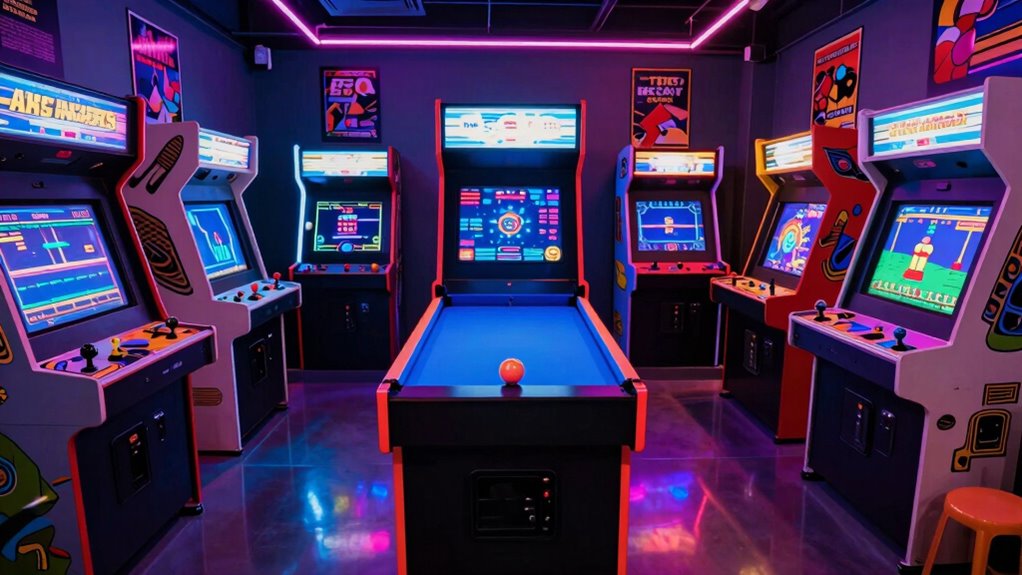
Arcade gaming has profoundly shaped pop culture by creating shared experiences and iconic symbols that resonate beyond the arcade halls. You’ve likely encountered references to classics like Pac-Man or Donkey Kong in movies, TV shows, and fashion, showcasing their lasting influence. These games sparked arcade nostalgia, inspiring retro-themed events, merchandise, and music that celebrate the golden age of arcades. They also introduced characters and visuals that became part of our collective consciousness, often used as symbols of innovation and fun. As a result, arcade gaming not only entertained but also helped define moments in pop culture, shaping how generations connect with technology, entertainment, and nostalgia. The visual style of these games played a significant role in establishing a distinctive aesthetic that continues to inspire modern media and design. You can see these influences everywhere, from pop culture references to everyday conversations. Additionally, the iconic visuals and characters from these games continue to inspire modern media and new generations of gamers, ensuring their legacy endures. Their unique game design and sound effects have also set standards that influence contemporary game development, fostering a sense of nostalgia-driven appreciation among fans. Moreover, the enduring popularity of these games has led to the preservation and celebration of retro gaming history, which helps maintain their cultural relevance today.
The Rise of Competitive Gaming and Esports in Arcades

You’ve probably noticed how competitive gaming has transformed arcades into hubs for intense rivalry and skill. The evolution of these competitions has fueled a dedicated esports community that keeps growing. This shift has turned arcade spaces into arenas where players push their limits and fans rally behind their favorites.
Competitive Gaming Evolution
As competitive gaming gained momentum, arcades transformed from casual entertainment spots into battlegrounds for serious skill and rivalry. You began to see dedicated multiplayer tournaments where players faced off in intense matches, elevating the arcade experience. Scoring systems became more sophisticated, allowing players to track progress and compare performances precisely. This shift pushed gamers to refine their strategies and reflexes, fueling a competitive environment. Additionally, home automation technologies started integrating with arcade setups, enhancing the gaming environment and security. Modern smart lock solutions can now be used to secure arcade equipment and gaming zones, ensuring safety and controlled access. Furthermore, the development of digital leaderboards and online connectivity contributed to the development of structured leagues and rankings, fostering a sense of community and achievement. This evolution laid the foundation for modern competitive gaming, emphasizing skill, strategy, and community engagement. The integration of network connectivity improved real-time updates and facilitated remote competitions, expanding the reach of arcade gaming competitions beyond physical locations.
Esports Community Growth
The rise of competitive gaming in arcades transformed these venues into vibrant communities where players connected, shared strategies, and built rivalries. Virtual tournaments emerged, allowing players to compete beyond physical spaces and reach global audiences. These events strengthened player communities, fostering camaraderie and skill development. Arcades now host regular competitions that draw local and visiting gamers alike. This growth helped bridge traditional arcade gaming with modern esports, creating a seamless progression into digital competition. The sense of belonging and rivalry energizes players, fueling the popularity of arcade esports. As shown below, the community’s evolution highlights key milestones in this journey: esports community growth, supported by the increasing adoption of battery inverter generators to power tournament setups and gaming events.
Why Arcades Declined and the Shift to Home Consoles

Advancements in technology and changing consumer preferences drove the decline of arcades as more people preferred the convenience and comfort of gaming at home. This shift led to a decrease in arcade nostalgia and the rise of home consoles, making gaming more accessible. You no longer needed to travel or wait in lines to enjoy your favorite games. Instead, you could play anytime from your living room. The key factors include:
Advancements in technology made gaming at home more convenient, accessible, and comfortable than ever before.
- Improved graphics and processing power of home consoles
- The affordability and convenience of gaming at home
- The ability to multiplayer with friends locally or online
These changes made home consoles the go-to option, overshadowing arcades and transforming how you experience video games today. The shift was driven by technological growth, offering a more personalized and comfortable gaming environment.
Modern Innovations Reviving Arcade Gaming

Recent innovations are giving arcade gaming a fresh lease on life, blending digital nostalgia with cutting-edge technology to attract new generations of players. Modern arcades emphasize vibrant arcade aesthetics, combining retro-inspired designs with sleek, contemporary visuals. Virtual reality experiences and interactive LED displays immerse you in dynamic environments that celebrate classic gameplay while offering something new. These innovations tap into digital nostalgia, reminding you of the golden age of arcades, yet they feel fresh and exciting. Customizable game setups and social gaming zones foster community and competition, making arcade visits more engaging. By merging past and present, these advancements revive the arcade scene, ensuring it remains relevant and appealing in today’s fast-evolving gaming landscape.
How Technology Is Shaping the Future of Arcade Video Games

As technology continues to evolve, it fundamentally transforms how arcade video games are designed and experienced. You now encounter immersive environments and more dynamic gameplay thanks to innovations like virtual reality and motion controls. These advancements make gameplay more interactive and engaging, pulling you deeper into virtual worlds. To illustrate, consider these key developments:
Technology transforms arcade gaming with immersive environments and dynamic, interactive experiences.
- Virtual reality headsets create fully immersive experiences.
- Motion controls enable physical interaction, increasing realism.
- Haptic feedback adds tactile sensations, heightening immersion.
- Sensor technology enhances motion detection accuracy, further enriching gameplay experiences. Additionally, advancements in game development techniques allow for more complex and realistic graphics, making virtual worlds feel even more convincing.
With these technologies, arcade gaming becomes more than just screen-based fun; it becomes a sensory-rich adventure. As developers harness virtual reality and motion controls, future arcade games will challenge your perceptions and push the boundaries of interactive entertainment. You’re at the forefront of a new era in arcade gaming, shaped by cutting-edge technology.
Lessons From the Evolution of Arcade Gaming

The evolution of arcade gaming offers valuable lessons about innovation, adaptability, and the importance of understanding player preferences. One key lesson is that gameplay innovation keeps players engaged and drives industry growth. As technology advanced, developers introduced new mechanics and immersive experiences, showing how staying ahead of trends matters. Arcade nostalgia also plays a role; tapping into players’ fond memories can rekindle interest and attract new audiences. You learn that balancing familiar elements with fresh ideas sustains the appeal of arcade games. Flexibility in design and a focus on what players want guarantees longevity. Ultimately, the history of arcade gaming teaches you that listening to your audience and embracing change are essential to creating lasting entertainment experiences.
Frequently Asked Questions
How Did Arcade Gaming Influence Modern Video Game Design?
Arcade gaming shaped modern video game design by introducing coin-operated machines that made gaming accessible and popular. You see their influence in current arcade-style games and casual genres. The joystick evolution from simple controls to complex input devices inspired more immersive gameplay. Developers adopted arcade innovations, emphasizing high scores and competitive play, which still drive game design today, making gaming more engaging and social for you.
What Were the Biggest Challenges Faced During Arcade Hardware Development?
During arcade hardware development, you faced significant challenges like hardware constraints that limited graphics and gameplay complexity. Manufacturing challenges also emerged, making mass production difficult due to the need for durable, reliable components. You had to innovate within tight size and power limitations while ensuring cost-effective production. Overcoming these hurdles was essential for creating engaging, commercially viable arcade machines that could withstand frequent use and attract players.
Which Arcade Game Had the Longest-Lasting Popularity?
You’ll probably say Pac-Man because its arcade game longevity is unmatched, lasting decades since its debut. Imagine a song that stays forever popular – Pac-Man became that icon, with classic game popularity fueling nostalgia and new players alike. Its simple yet addictive gameplay kept it relevant through the years, proving that a well-designed game can become timeless, enthralling audiences and standing the test of time in arcades worldwide.
How Did Arcade Gaming Shape Early Competitive Gaming Communities?
Arcade gaming shaped early competitive gaming communities by fostering arcade tournaments and community gatherings where players tested their skills. You’d participate in local competitions, meet others with similar interests, and develop rivalries and friendships. These events created a sense of camaraderie and healthy competition, laying the foundation for modern e-sports. Your involvement helped grow a vibrant gaming culture that emphasized skill, strategy, and social connection.
What Technological Advancements Are Currently Driving Arcade Innovation?
Think of arcade innovation as a rocket blasting off, fueled by cutting-edge tech. You now see advancements like biometric authentication, making gameplay more secure and personalized, and augmented reality, transforming spaces into immersive worlds. These innovations propel arcade experiences beyond traditional screens, immersing players deeper. As you engage with these technologies, you’ll find arcade gaming evolving into a more interactive, secure, and enthralling frontier that keeps players hooked.
Conclusion
As you’ve seen, arcade gaming has traveled a rollercoaster ride through innovation and nostalgia. It’s like a phoenix rising from the ashes, constantly evolving yet never losing its spark. Today’s advancements breathe new life into arcade classics, proving that the spirit of those pixelated battles still burns bright. So, whether you’re a seasoned gamer or a curious newcomer, remember: the arcade’s story is still being written, and it’s yours to keep playing a part in it.