

Understanding arcade game genres like shooters, puzzles, and sports reveals how technological advances shaped their gameplay and appeal. Shooters challenge your reflexes with fast-paced action, while puzzles test your problem-solving skills through quick reactions and pattern recognition. Sports games create immersive experiences with improved controls and visuals. These genres evolved with better hardware, broadening the audience and pushing creative boundaries. Keep exploring to discover how these innovations continue to influence modern arcade gameplay.
Key Takeaways
- Arcade game genres evolved from basic pixel graphics to diverse categories like shooters, puzzle, and sports, driven by hardware advancements.
- Shooters focus on fast reflexes and precise controls, testing player skill against challenging enemies or targets.
- Puzzle games emphasize quick thinking and pattern recognition, often utilizing crisp visuals and simple mechanics.
- Sports arcade titles aim for realism and immersion through improved controls, screens, and sound systems.
- Hardware innovations have expanded genre possibilities, enabling complex mechanics and multiplayer experiences in arcade gaming.

Have you ever wondered what makes arcade games so addictive and varied? It all comes down to how the retro game evolution and arcade hardware development have shaped their design. Over the decades, arcade games have evolved from simple, pixelated screens to sophisticated machines packed with innovative controls and vibrant visuals. This evolution has allowed developers to create a wide range of genres, each offering unique gameplay experiences that keep players coming back. As technology advanced, so did the hardware—allowing for faster processing, better graphics, and more complex interactions. These improvements enabled arcade games to push the boundaries of what was possible, giving rise to genres like shooters, puzzle games, and sports titles that stand out even today.
Arcade games evolved from pixelated screens to sophisticated machines, shaping diverse genres and engaging players worldwide.
In the early days, arcade hardware development was all about maximizing what limited technology could do. Developers focused on making games visually appealing and easy to pick up. This focus led to the creation of iconic shooter games, where players could test their reflexes against increasingly challenging enemies. The hardware supported fast-paced action, with precise controls that made each shot and move feel satisfying. As hardware became more advanced, developers experimented with different input methods, sound effects, and graphics, which helped diversify arcade game genres. For example, puzzle games like Tetris gained popularity because the hardware could display clear, crisp shapes and handle the quick movements needed for matching and clearing lines.
The evolution of arcade hardware also influenced sports games. With better controllers, screens, and sound systems, arcade sports titles grew more immersive and realistic. You could now experience the thrill of competition with precise controls for sports like basketball or racing, making the gameplay engaging and dynamic. This technological progress made it possible for arcade games to cater to a broader audience, from casual players to hardcore enthusiasts.
Moreover, the development of arcade hardware fostered innovation across genres. It allowed for more complex gameplay mechanics, multiplayer options, and even narrative elements in some machines. As a result, arcade game genres expanded beyond simple high-score chasers to include adventure, fighting, and rhythm games. This variety kept arcades lively and appealing, encouraging players to try different types of games and discover new favorites. Additionally, the influence of hardware advancements can be seen in the integration of collectible decor and themed environments within arcade spaces, enhancing player immersion and experience. Today, understanding the roots of these genres through the lens of retro game evolution and arcade hardware development helps you appreciate how far arcade gaming has come—and how its influence still shapes modern game design.

Arcade 1Up Midway Legacy Edition Arcade Cabinet - Electronic Games
ARCADE MACHINE: Arcade machine featuring 12 games in 1 for endless gaming fun on a single device
As an affiliate, we earn on qualifying purchases.
Frequently Asked Questions
How Did Arcade Game Genres Evolve Over the Decades?
You see, arcade game genres evolved considerably over the decades, driven by arcade game history and genre development. In the early days, simple games like Pong focused on single genres, but as technology advanced, developers created diverse genres like shooters, puzzles, and sports. This evolution reflected players’ changing tastes and technological innovations, leading to the rich variety of arcade games we enjoy today.
What Are Some Underrated Arcade Game Genres?
Imagine finding a hidden treasure chest filled with niche arcade categories that often go unnoticed. You might overlook genres like rhythm games, light gun shooters, or maze chasers, but they’re true hidden gem genres. These underrated arcade games offer fresh challenges and nostalgic charm, inviting you to explore beyond mainstream titles. Immerse yourself in these niche categories—you’ll discover a world of unique gameplay waiting to surprise and delight you.
How Do Arcade Game Genres Influence Modern Video Games?
Arcade game genres influence modern video games by shaping game design trends and encouraging genre blending. You’ll notice elements like fast-paced action, quick reflexes, and high scores in many contemporary titles. These genres inspire innovative mechanics and hybrid gameplay, pushing developers to combine styles like shooter and puzzle elements. This fusion keeps games fresh and engaging, making your gaming experience more dynamic and diverse, just like classic arcade hits.
What Are Key Design Elements of Classic Arcade Shooters?
Imagine a symphony of rapid-fire reflexes and flashing lights—classic arcade shooters thrive on this chaos. You’ll notice iconic gameplay elements like simple yet addictive mechanics, tight controls, and escalating difficulty. The key design elements include responsive arcade shooter mechanics, compelling power-ups, and vibrant visuals that keep you engaged. These elements create an adrenaline-fueled experience, pushing you to master timing and precision, just like the legends of arcade gaming.
How Do Multiplayer Arcade Genres Differ From Single-Player Ones?
Multiplayer arcade genres differ from single-player ones by emphasizing cooperative gameplay and competitive modes. You team up with friends to achieve shared goals or challenge each other for high scores. This social aspect keeps the game exciting and engaging, encouraging teamwork or rivalry. In contrast, single-player games focus on individual skill and progression. Multiplayer modes boost replayability and foster a lively community around the game.

New Era Pinball Game Black – Interactive Tabletop or Floor Arcade Pinball Machine for Kids & Adults – LED Scoring, Lights & Sounds, Fast & Fun 3-Ball Launch Game – Ideal Gift for Birthdays & Christmas
INTERACTIVE MINI PINBALL GAME: Engage in fast-paced fun with the New Era Pinball Game. Launch 1, 2, or...
As an affiliate, we earn on qualifying purchases.
Conclusion
Now that you’ve explored arcade genres like shooters, puzzles, and sports, you see how each offers a unique thrill. Whether you’re dodging pixels in a classic space shooter or solving puzzles like an ancient philosopher, these games keep you engaged. Just like you’d toss a coin into a Pac-Man arcade machine in 1980, today’s genres invite you to plunge in and enjoy timeless fun. The arcade spirit stays alive, blending past and present in every game you play.
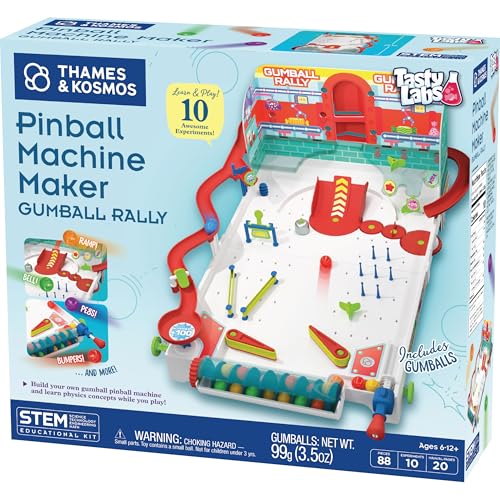
Thames & Kosmos Pinball Machine Maker STEM Experiment Kit Toy of the Year Finalist - Build a Reconfigurable Pinball Machine, Explore Physics, Force, Motion, Gravity, Simple Machines, Gumballs Included
Build your own customizable pinball machine that uses edible gumballs as the pinballs!
As an affiliate, we earn on qualifying purchases.

Arcade1Up PAC-Man Deluxe Arcade Machine for Home - 5 Feet Tall - 14 Classic Games
Join the legacy: Library of 14 iconic games, including Dig Dug, Galaga, Galaxian, Rompers, PAC-Mania, Mappy, and more!
As an affiliate, we earn on qualifying purchases.