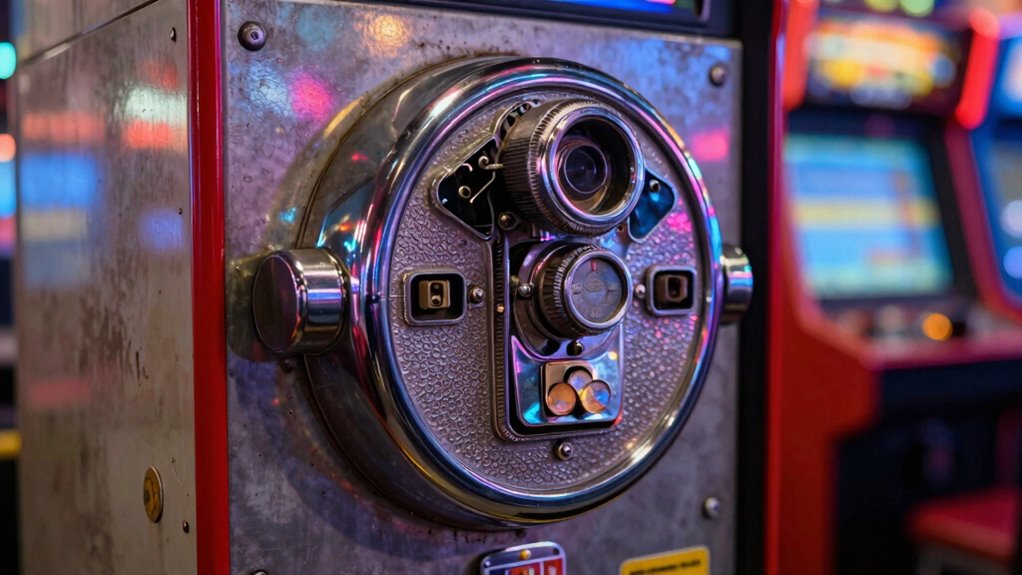

Arcade coin acceptors trigger more buyer questions because they’re more complex than they look, involving mechanical and electronic parts, security features, and integration with digital systems. You’ll likely face concerns about coin jams, maintenance, and device durability. Compatibility with existing hardware and potential upgrades also add to the confusion. If you want to understand these challenges better and guarantee you choose the right model, keep exploring these important aspects.
Key Takeaways
- The complexity of different models (mechanical vs. electronic) leads to many technical questions from buyers.
- Troubleshooting and maintenance needs vary, prompting inquiries about durability, cleaning, and common failure points.
- Integration with digital payment systems and compatibility concerns generate additional buyer uncertainty.
- Security features, vandal resistance, and capacity options influence purchase decisions and raise questions.
- Lack of clear understanding of technological features and wear-and-tear factors causes buyers to seek more detailed information.

If you’re considering upgrading or replacing your arcade’s coin acceptors, you might find yourself with more questions than answers. This is especially true when it comes to understanding how these systems work and how they fit into your overall arcade setup. Coin acceptors are more complex than they first appear, and that complexity often leads to confusion during the decision-making process. You might be wondering whether to choose a mechanical or electronic model, how to handle coin jams, or how to ensure reliable payment system integration. Each of these concerns adds to your uncertainty, making it harder to settle on the right solution quickly.
One of the main reasons arcade coin acceptors create buyer questions is because of coin mechanism troubleshooting. These devices are designed to accept coins consistently, but they can be sensitive to dirt, debris, or worn parts. If you experience frequent coin jams or misreads, you may worry about the durability of a particular model or how easily you can maintain it. Troubleshooting these issues requires a good understanding of how the coin mechanism functions and what common problems to look out for. Without proper knowledge, you might hesitate to invest in a new acceptor, fearing it will be just as prone to breakdowns and downtime. Gaining familiarity with coin mechanism maintenance** can help mitigate these concerns and improve your confidence in handling such issues. Additionally, understanding wear-and-tear on components can help you plan for future replacements and repairs. Recognizing the importance of regular cleaning can also extend the lifespan of your coin acceptor and reduce downtime. Being aware of common failure points** can further help in proactively addressing potential issues before they lead to costly repairs.
Payment system integration is another significant source of questions. Modern coin acceptors often connect to digital systems that log transactions and control access to machines. You need to consider whether the device easily integrates with your existing hardware and software, whether it supports cashless options, and how it communicates with your arcade management system. If you’re unfamiliar with these technologies, it’s understandable that you’d feel overwhelmed. You might worry about compatibility issues or the complexity involved in setting up and maintaining the system. These concerns can delay your purchasing decision or lead you to seek out more information to ensure a seamless integration.
Additionally, buyers often wonder about the long-term costs and benefits of different coin acceptors. They ask whether investing in a high-end model will save money in maintenance or if a cheaper option will suffice for their needs. Questions about security features, coin capacity, and vandal resistance also tend to come up, adding another layer of complexity. Because each arcade’s needs are unique, it’s natural to question which features are essential versus optional. These questions, combined with the technical concerns related to troubleshooting and integration, make the purchasing process more complicated than expected. Understanding 3D scanning and printing technologies can also help in customizing parts or maintenance tools, ensuring your system remains efficient and cost-effective.
Ultimately, it’s normal to feel uncertain when navigating the world of arcade coin acceptors. Knowing that these questions stem from genuine concerns about reliability, compatibility, and cost can help you approach your decision with confidence. Doing your homework on troubleshooting techniques and understanding payment system integration will ensure you select a solution that’s both effective and easy to manage.
arcade coin acceptor troubleshooting kit
As an affiliate, we earn on qualifying purchases.
As an affiliate, we earn on qualifying purchases.
Frequently Asked Questions
Are Arcade Coin Acceptors Compatible With All Coin Types?
Arcade coin acceptors aren’t compatible with all coin types because of token compatibility and coin authentication features. You need to check if your coins or tokens match the acceptor’s specifications, including size and metal content. Some acceptors use advanced coin authentication to prevent fake coins, so confirm yours supports the specific tokens you plan to use. Compatibility varies, so always verify before purchasing to avoid issues during operation.
How Do Coin Acceptors Handle Counterfeit Coins?
Coin acceptors handle counterfeit coins through advanced counterfeit detection and currency validation features. They scan coins for specific size, weight, and metal composition, ensuring only genuine currency is accepted. When a coin fails these checks, the machine rejects it, preventing fraud. This process helps you maintain reliable operation, reduces the risk of accepting fake coins, and keeps your arcade running smoothly with secure, validated currency.
What Is the Typical Lifespan of an Arcade Coin Acceptor?
A typical arcade coin acceptor lasts around five to ten years, depending on coin durability and usage frequency. If you maintain it regularly and use high-quality coins, it can serve you well beyond the average lifespan. Some acceptors may wear out sooner if exposed to dirt, dust, or counterfeit coins. Addressing these lifespan factors helps guarantee your coin acceptor stays functional, saving you money and downtime in the long run.
Can Coin Acceptors Be Easily Repaired or Replaced?
Yes, coin acceptors can be repaired or replaced, but their durability varies depending on usage and build quality. Repair challenges include identifying faulty parts and ensuring compatibility with your arcade machine. Usually, replacements are straightforward if you have the right tools and know-how. Regular maintenance can extend their lifespan, but complex issues might require professional repair to avoid further damage. Always consider durability when choosing a new coin acceptor.
Do Coin Acceptors Require Special Maintenance or Calibration?
Think of your coin acceptor as a delicate orchestra needing a conductor’s touch. It doesn’t require complex maintenance, but regular calibration procedures keep it singing smoothly. You should check the sensors and clean the coin pathways periodically to prevent jams. No special tools are needed, just a keen eye and routine upkeep. Proper calibration guarantees accurate coin recognition, making sure your arcade runs as seamlessly as a well-conducted symphony.
Conclusion
You might think arcade coin acceptors are straightforward, but they often spark more questions than expected. Some believe their complexity stems from outdated technology, yet recent innovations suggest they’re more adaptable than you think. By understanding the mechanics and potential troubleshooting, you can better anticipate buyer concerns and streamline their experience. Ultimately, embracing both the simplicity and the challenges of these acceptors helps you provide clearer answers, making your arcade more user-friendly and reducing confusion.