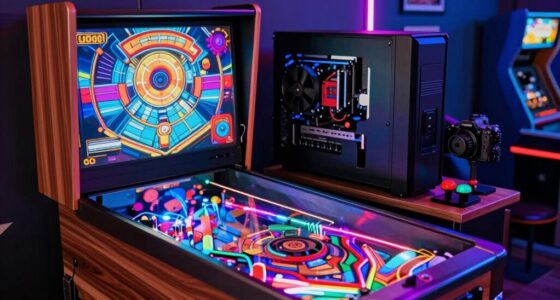

When buying a used pinball online, ask detailed questions about the machine’s overall condition, maintenance, and repair history. Inspect for signs of wear on the playfield, cabinet, and electrical wiring. Verify that parts are authentic by checking serial numbers and logos. Test all mechanical and electrical features to uncover hidden issues. Asking these key questions can save you thousands and ensure you make a sound investment—discover more essential inspection tips below.
Key Takeaways
- Ask detailed questions about the machine’s maintenance history and previous repairs to gauge long-term reliability.
- Inspect photos or videos for signs of wear, damage, rust, or water damage that might not be visible in listings.
- Verify the authenticity of parts and branding to ensure you’re getting genuine components and maintain value.
- Confirm electrical system functionality, including switches, wiring, and power supply, through thorough testing or seller assurances.
- Request a comprehensive inspection report or arrange a professional evaluation before purchase to identify hidden problems.

Loaded Spring Rod Pinball Shooter Handle for Pinball Machine Parts, Assorted Color, Easy Installation, Enhances Game Experience, Compatible with Various Machines
Broad Compatibility: This pinball machine pull rod is designed to be compatible with various pinball machines, making it…
As an affiliate, we earn on qualifying purchases.
As an affiliate, we earn on qualifying purchases.
How to Recognize a Well-Maintained Used Pinball Machine
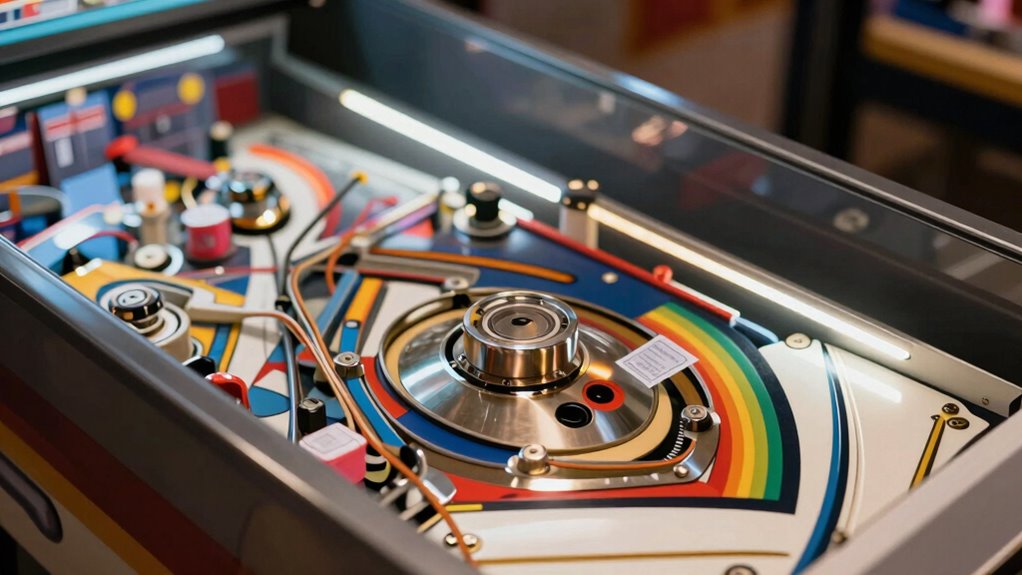
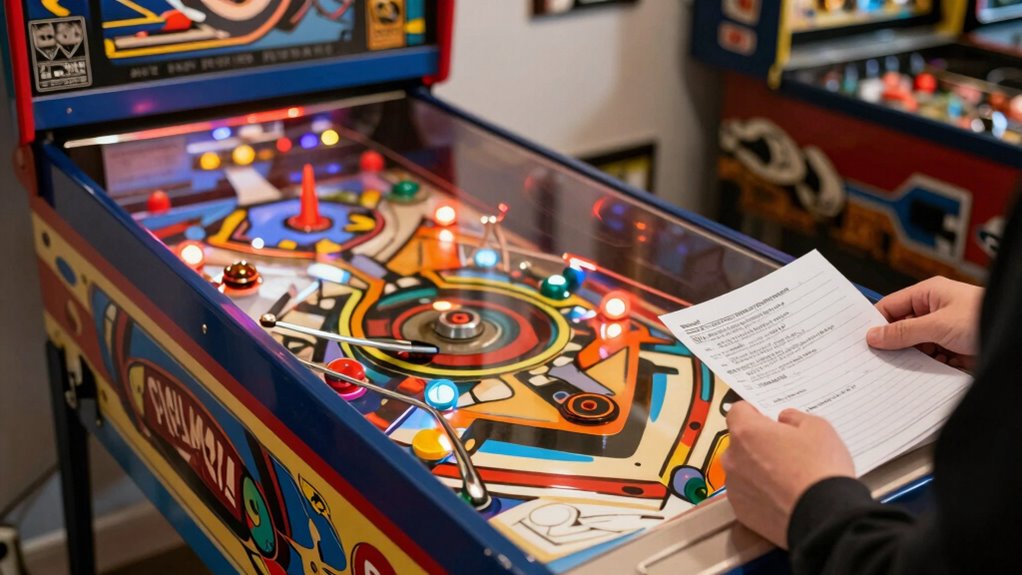
To identify a well-maintained used pinball machine, start by carefully inspecting its overall condition. First, look at the cabinet art—faded, scratched, or peeling artwork can indicate neglect. A clean, vibrant exterior suggests the machine has been cared for properly. Next, examine the playfield condition closely; a well-maintained machine typically features a smooth, clean surface with minimal wear around targets, bumpers, and inserts. Check for any corrosion, rust, or missing parts that could impact gameplay. Light scratches or worn areas on the playfield aren’t necessarily deal-breakers, but extensive damage may signal poor maintenance. Overall, a machine with intact, bright cabinet art and a clean, well-preserved playfield is likely to be in good shape and worth considering. Additionally, paying attention to electrical components, such as switches and connectors, can help assess the machine’s overall reliability and longevity. Ensuring that electrical systems are functioning correctly can prevent costly repairs later on. Regular testing of switches, solenoids, and power supplies can further indicate the machine’s electrical health and proper upkeep.

Game Room Guys 1976 Bally Old Chicago Pinball Rubber Ring Kit
CUSTOM RUBBER RING KIT- Each Kit is Built for Specific Pinball Machine
As an affiliate, we earn on qualifying purchases.
As an affiliate, we earn on qualifying purchases.
Which Parts Should You Check for Damage or Wear?

When inspecting a used pinball machine, focus on the key parts that directly affect gameplay and longevity. Check the playfield components for cracks, worn inserts, or damaged bumpers, as these impact playability. Examine electrical wiring for corrosion, frayed wires, or loose connections, which can cause malfunctions. Pay attention to the condition of switches, coils, and lamps; worn or broken parts can lead to scoring issues. Use this table to guide your inspection:
| Part | Damage Signs | Impact on Function |
|---|---|---|
| Playfield | Cracks, worn inserts, scratches | Affects ball movement and scoring |
| Electrical wiring | Frays, corrosion, loose connections | Can cause electrical failures |
| Switches & coils | Bent contacts, broken coil sleeves | Disrupts game operations |
Additionally, verifying the overall electrical system can help prevent costly repairs later on. Regular checks of the power supply connections ensure the machine operates smoothly and reduces the risk of unexpected failures. Incorporating a thorough assessment of electrical components during inspection can help identify potential issues before they lead to significant repairs. Being familiar with common wiring issues can make troubleshooting more efficient during your evaluation. Conducting a comprehensive system diagnostic can reveal hidden problems that might not be immediately obvious.

Automotive Circuit Tester, Car Repair Cable Circuit Wire Tracers Analyzer Short Open Finder Fault Tester Electrical Checker Detector Probe DC 6-42V Car Diagnostic Tool
EASY TO USE: The Open Wire Detector With transmitter and receiver LEDs, you can quickly identify open or…
As an affiliate, we earn on qualifying purchases.
As an affiliate, we earn on qualifying purchases.
How to Verify the Authenticity of Parts on a Used Machine
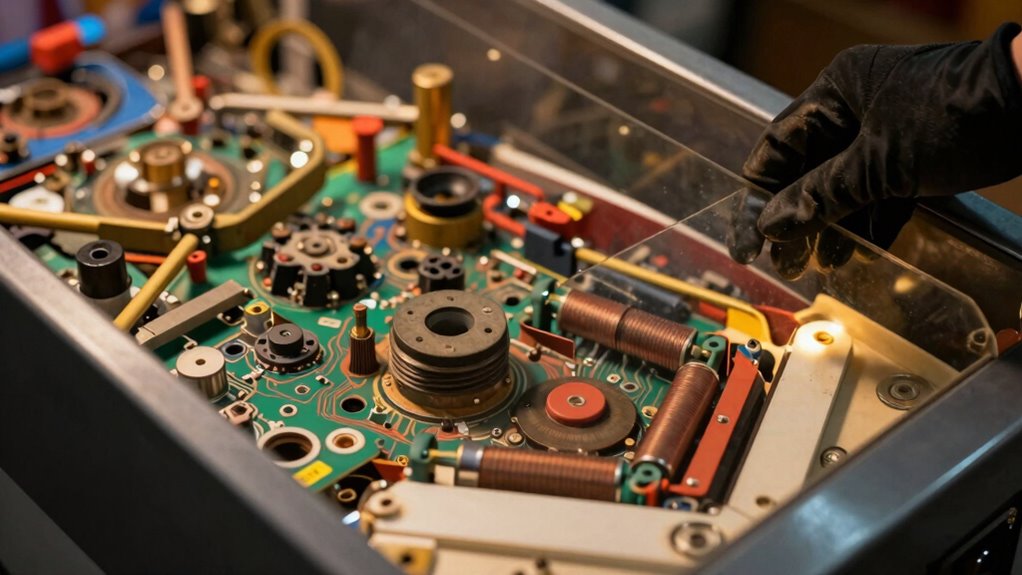
Verifying the authenticity of parts on a used pinball machine is essential to guarantee you’re getting quality components that will last. Authenticity verification helps you distinguish genuine parts from counterfeit detection. Start by inspecting serial numbers, logos, and markings, ensuring they match manufacturer specifications. Check for consistent fonts, engravings, and holograms that indicate authenticity. Compare parts to official images or catalogs whenever possible. Be wary of reproductions or low-quality substitutes that look similar but lack proper branding or finish. If you’re uncertain, consult online forums or experts who can help identify authentic components. Authentic parts maintain the machine’s value and ensure safe, reliable operation. Taking these steps minimizes the risk of installing counterfeit parts that could lead to costly repairs or replacements later. Additionally, understanding smart lock security features can help you manage access and prevent tampering with your valuable machine.

Loaded Spring Rod,Ball Shooter for Arcade Pinball Machine Parts,Game Machine Accessory
good touch
As an affiliate, we earn on qualifying purchases.
As an affiliate, we earn on qualifying purchases.
What Questions Should You Ask About the Machine’s Usage and Maintenance History?
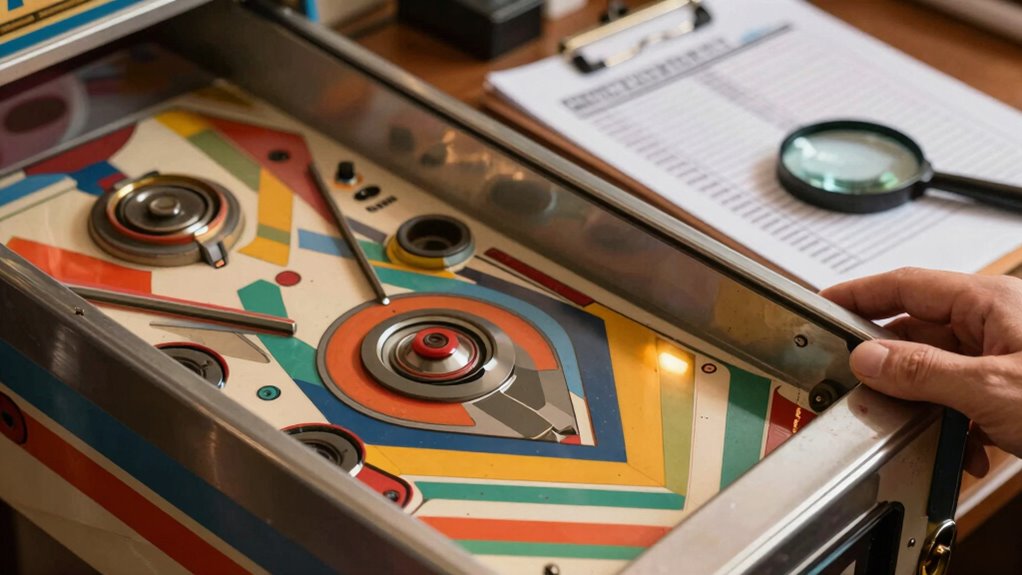
Asking about the machine’s usage and maintenance history is essential to assess its overall condition and longevity. Find out the machine’s age, as older machines may require more repairs or parts replacement. Inquire about its repair history—has it had major fixes or persistent issues? This information helps you gauge how well the pinball has been maintained and if it’s been kept in good working order. Ask if the previous owner performed regular maintenance, such as cleaning and part replacements. Understanding the machine’s history also reveals how often it was played, which can affect wear and tear. Additionally, knowing the brand reputation can give insights into the long-term durability of the pinball machine. A detailed history can also indicate if the machine has experienced any electrical or mechanical problems, helping you anticipate potential future repairs. It’s also helpful to ask about the availability of replacement parts, as this can impact long-term upkeep. Furthermore, inquiring about the condition of critical components, such as the playfield and electronics, can provide a clearer picture of the machine’s current state. Gathering these details and assessing the maintenance records ensures you’re making an informed decision and helps you anticipate potential future repairs, saving you money and headaches down the line.
How to Evaluate the Overall Condition and Detect Hidden Problems
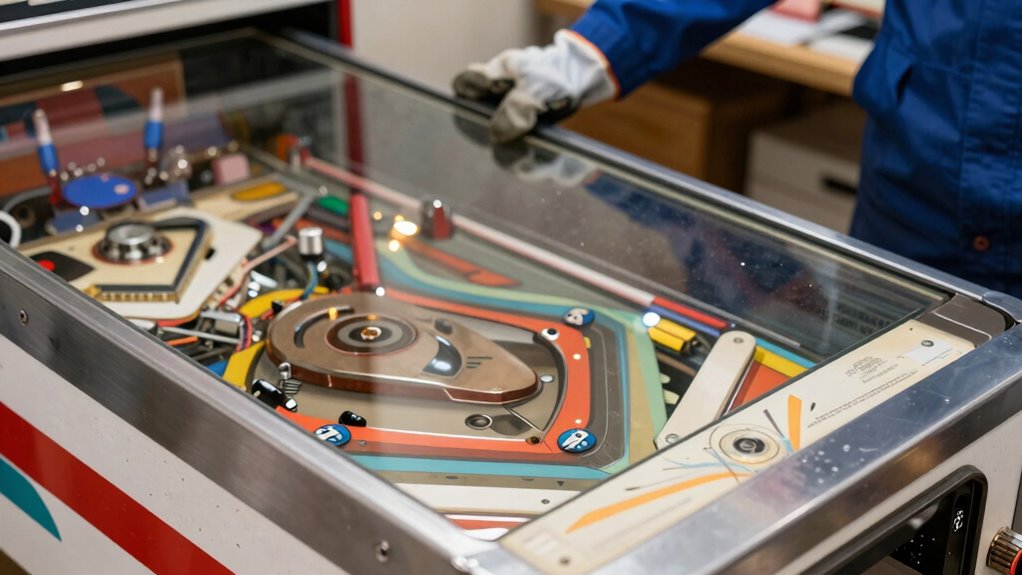
Evaluating the overall condition of a used pinball machine requires a careful visual inspection and functional testing. Begin with an appearance assessment, checking for rust, scratches, and cracks on the cabinet and playfield. Look for signs of water damage or previous repairs that might conceal underlying issues. During the mechanical inspection, test all moving parts, including flippers, bumpers, and drop targets, to ensure they operate smoothly and consistently. Listen for unusual sounds that could indicate worn or damaged components. Examine the wiring for fraying or corrosion. Check the condition of the playfield, ensuring no deep gouges or worn inserts. Detect hidden problems early by inspecting for uneven wear or inconsistent game play, which might signal underlying electrical or mechanical issues. Additionally, assessing the electrical system helps identify potential safety hazards and future repair needs. A thorough inspection process can reveal hidden problems that might not be immediately visible but could significantly affect the machine’s value and functionality. Incorporating proper diagnostic tools can enhance your ability to identify subtle issues before purchasing. Understanding the common causes of failure can help you evaluate the reliability and longevity of the pinball machine you are considering. Moreover, performing a comprehensive test can ensure all systems are functioning correctly before completing your purchase.
Frequently Asked Questions
What Are Common Signs of Previous Electrical Issues in Used Pinball Machines?
You should look for signs of electrical wiring problems like frayed or burnt wires, which indicate past issues. Check if the power supply has any scorch marks or unusual smells, as these suggest power supply issues. Also, test all switches and lights to verify they work correctly. If you notice inconsistent gameplay or flickering displays, it’s a sign that the machine may have had electrical wiring or power supply problems in the past.
How Can I Identify Counterfeit or Fake Parts on a Used Pinball Machine?
You can spot counterfeit parts on a used pinball machine by doing quick counterfeit detection and fake part identification. Look for mismatched logos, poor craftsmanship, or unusual markings. Authentic parts usually have clean engravings, consistent coloring, and proper branding. Use a magnifying glass or compare the part to genuine images online. If something seems off or inconsistent, trust your instincts—fake parts are often noticeably inferior in quality.
What Is the Typical Lifespan of Key Components in a Pinball Machine?
You can expect key components in a pinball machine to have varying lifespan expectations based on component durability. For instance, coils typically last 5-10 years with regular use, while switches and bulbs may need replacement every 2-5 years. The MPU board often endures 10+ years if properly maintained. Regular cleaning and proper operation extend these lifespans, helping you avoid costly repairs and ensuring your machine stays playable longer.
Are There Specific Tests to Assess the Machine’s Playability Before Purchase?
Don’t let the cat out of the bag—performing playability tests is essential before buying a used pinball machine. You should run machine diagnostics to check the electronics, test all switches, and guarantee smooth coin operation. Playability tests involve playing a few games to spot issues like replay faults or stuck balls. These checks help you avoid costly repairs later, giving you peace of mind that the machine is ready for action.
How Do I Determine if a Machine Has Been Properly Refurbished or Restored?
You can determine if a machine has been properly refurbished or restored by examining its adherence to refurbishment standards and restoration techniques. Look for consistent paintwork, clean wiring, and genuine replacement parts. Ask for detailed photos or documentation of the restoration process, and check for signs of professional work, like smooth cabinet finishes and properly aligned components. A well-restored machine will look and feel authentic, ensuring you get value for your investment.
Conclusion
So, next time you buy a used pinball machine, remember those inspection questions—because nothing says “good deal” like uncovering hidden problems you never knew existed. Irony’s on your side, after all; the more you ask, the less you’ll pay later fixing surprises. Hopefully, your new-to-you machine will run smoothly, but if it doesn’t, you’ll at least have the satisfaction of knowing you avoided the pitfalls most players never see coming. Happy flipping!