
Preserving classic arcade games combines emulation technology and careful hardware restoration. You can create digital copies that replicate the original gameplay, ensuring access even if the physical machines deteriorate or are lost. Restoring original hardware maintains authenticity and experience, while emulation makes these games more accessible worldwide. Together, these methods protect gaming history and cultural significance for future generations. If you’re curious, there’s more to discover about how these preservation techniques work hand in hand.
Key Takeaways
- Combining hardware restoration with digital archiving ensures comprehensive preservation of arcade games.
- Emulation allows faithful recreation of original gameplay experiences without relying solely on physical hardware.
- Preserving original components and creating accurate digital copies protect against hardware deterioration or loss.
- Digital archives enable widespread access and study of arcade classics globally.
- Restoration efforts maintain authenticity and cultural significance of vintage arcade games for future generations.
Have you ever wondered what it takes to keep classic arcade games alive for future generations? Preserving these nostalgic gems involves more than just keeping the machines running; it’s about safeguarding their history through dedicated efforts like hardware preservation and digital archiving. Hardware preservation is essential because these vintage arcade machines contain unique components that age and deteriorate over time. You might find that the original circuit boards, displays, and controllers become unreliable or unusable after decades. To combat this, enthusiasts and preservationists meticulously repair and maintain original hardware, sourcing replacement parts when possible or creating custom reproductions. This hands-on approach ensures that the authentic feel and functionality of the game are maintained, allowing players to experience the arcade as it was originally intended.
Preserving arcade classics involves hardware repair and digital archiving to keep their history alive for future generations.
However, hardware preservation alone isn’t enough. The physical machines are vulnerable to physical damage, theft, or destruction, which could wipe out entire collections overnight. That’s where digital archiving comes into play. By creating detailed digital copies of arcade game software, ROMs, and system configurations, you make it possible to recreate the gaming experience even if the original hardware is lost or beyond repair. Digital archiving involves scanning, documenting, and storing game data in secure databases, often accompanied by emulation software that mimics the original hardware environment. This process ensures that, regardless of the physical state of the machines, the core gameplay and visual aesthetics can be preserved indefinitely.
Additionally, advancements in emulation technology have made it easier to simulate the original hardware environment, further aiding in preservation efforts. Combining hardware preservation with digital archiving provides an extensive approach to safeguarding arcade history. When original hardware is meticulously maintained, and digital copies are securely stored, it creates a layered defense against the inevitable march of time. This synergy allows future generations to enjoy these classics without the limitations of aging equipment or limited availability. Furthermore, digital archiving makes it easier to distribute and access arcade games worldwide, fostering a broader appreciation of arcade culture. Preservationists often develop emulators that replicate the original experience, making it possible for enthusiasts and researchers to study and play these games on modern devices.
Ultimately, preserving classic arcade games is about more than nostalgia; it’s about protecting cultural artifacts that shaped the gaming industry. Through dedicated hardware preservation and diligent digital archiving, you help keep these vibrant pieces of history alive, ensuring they continue to inspire and entertain for years to come.

My Arcade Atari Game Station Pro: Retro Video Game Console with 200+ Games, Wireless Joysticks, RGB LED Lights
Officially licensed Atari titles. Titles include Asteroids, Centipede, Millipede, Breakout, Missile Command, Crystal Castles and many more. Game…
As an affiliate, we earn on qualifying purchases.
As an affiliate, we earn on qualifying purchases.
Frequently Asked Questions
How Do Emulators Ensure Game Accuracy?
Emulators guarantee game accuracy by closely mimicking the original hardware’s functionality, focusing on hardware fidelity. They replicate the original system’s architecture, timing, and behavior, which boosts emulation accuracy. You can improve this even more with precise coding and updates, making gameplay feel authentic. When done well, emulators provide a seamless experience, preserving the core mechanics and nuances, so you enjoy the game just like you would on the original arcade machine.
What Are Legal Issues Surrounding Arcade Game Preservation?
You should be aware that legal issues around arcade game preservation involve copyright concerns and intellectual property rights. If you distribute or clone arcade games without permission, you risk infringing on these rights, which can lead to lawsuits. Even for personal use, some jurisdictions may enforce copyright laws strictly. To stay compliant, seek permission from rights holders or use legally licensed copies, respecting the creators’ intellectual property.
How Can I Contribute to Arcade Game Restoration Projects?
Imagine bringing a dusty, forgotten arcade cabinet back to life, glowing with vibrant pixels. You can contribute to restoration projects by learning key techniques like cleaning, soldering, and replacing worn parts. Join community involvement efforts, attend local events, or share expertise online. Your hands-on work helps preserve these gaming treasures, ensuring future generations can enjoy the nostalgia and craftsmanship of classic arcade games.
What Hardware Is Best for Authentic Arcade Game Experience?
To get the authentic arcade experience, you should choose hardware that allows for customization and uses authentic display technology. Opt for vintage-style joysticks and buttons to match original gameplay feel. For display, CRT monitors are ideal because they replicate the original look and feel, providing that classic scanline effect. Customizing your hardware setup guarantees an immersive experience that closely mimics the arcade environment you’re aiming to recreate.
Are There Online Communities for Arcade Game Enthusiasts?
Yes, you’ll find plenty of online communities for arcade hobbyists passionate about vintage collections. These forums and social media groups let you share tips, showcase your arcade setups, and discuss restoration techniques. Engaging with fellow enthusiasts helps you stay updated on the latest emulation tools and restoration methods. Whether you’re a beginner or a seasoned collector, these communities offer valuable support and camaraderie, making your arcade journey more enjoyable and connected.
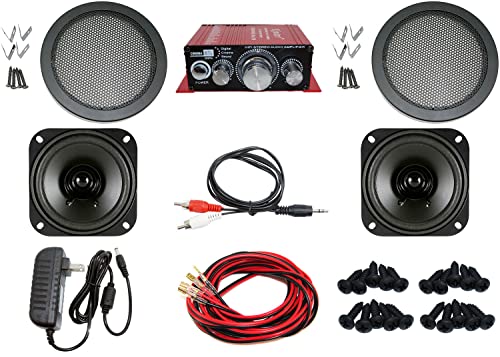
Audio Kit for Arcade Game, MAME Cabinet, or Virtual Pinball Machine
1 Kinter Stereo Audio Amplifier (18w per channel, Bass & Treble adjustments)
As an affiliate, we earn on qualifying purchases.
As an affiliate, we earn on qualifying purchases.
Conclusion
So, next time you marvel at those pixelated wonders, remember you’re holding history in your hands—carefully preserved by geeks and nostalgics alike. Without emulation and restoration, those arcade legends might’ve vanished into the digital abyss, replaced by endless scrolling feeds. Instead, you get to relive the glory days, one glitchy pixel at a time. Cheers to saving the past, or at least pretending we’re doing so—because who really needs progress anyway?

Understanding Video Game Emulation: A Guide to Building Your Ultimate Gaming System
As an affiliate, we earn on qualifying purchases.
As an affiliate, we earn on qualifying purchases.

Fosiya 7X Arcade Buttons 30mm Happ Type Standard Push Buttons Switch with 20cm Buttons Cable for Arcade Joystick Arcade1up Games Console (Red)
High quality Arcade Buttons 30mm Classis Concave plunger design,Mounts in 28mm hole
As an affiliate, we earn on qualifying purchases.
As an affiliate, we earn on qualifying purchases.